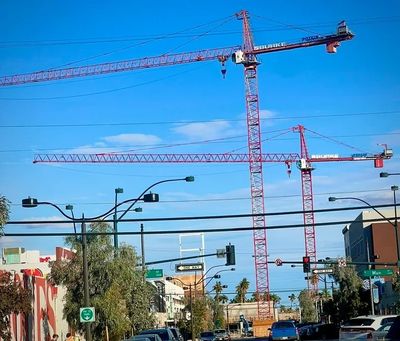
MTM Vegas profile for Shawn Coomer
Gateway to Fremont blog · June 12, 2026

Thank You, MTM Vegas, for Highlighting the Low Line

We want to extend a sincere thank you to Shawn, Mark, and the entire MTM Vegas team for taking the time to discuss the Low Line Las Vegas concept on their recent show.

Low Line

Any idea that aims to reshape a city is going to spark debate, questions, and healthy skepticism. That’s part of the process. What mattered most to us was hearing the team describe the Low Line as a great idea. We truly appreciate that.

Low Line

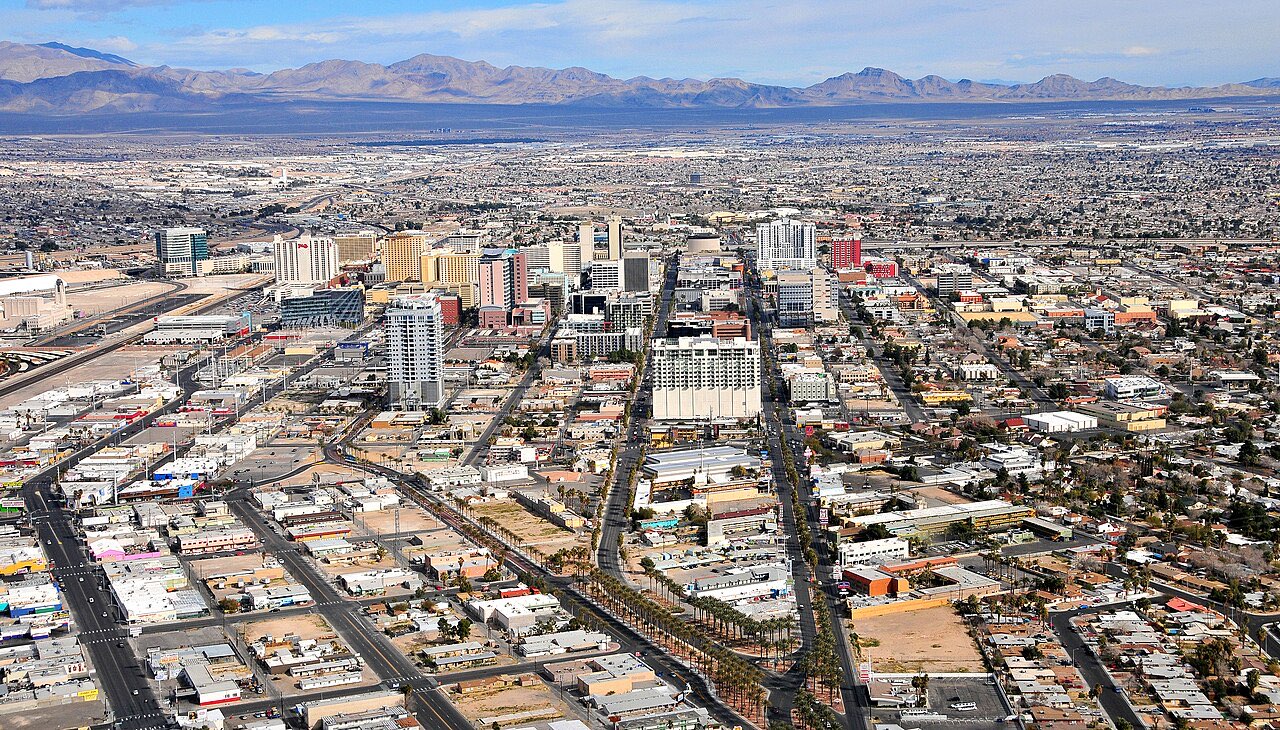
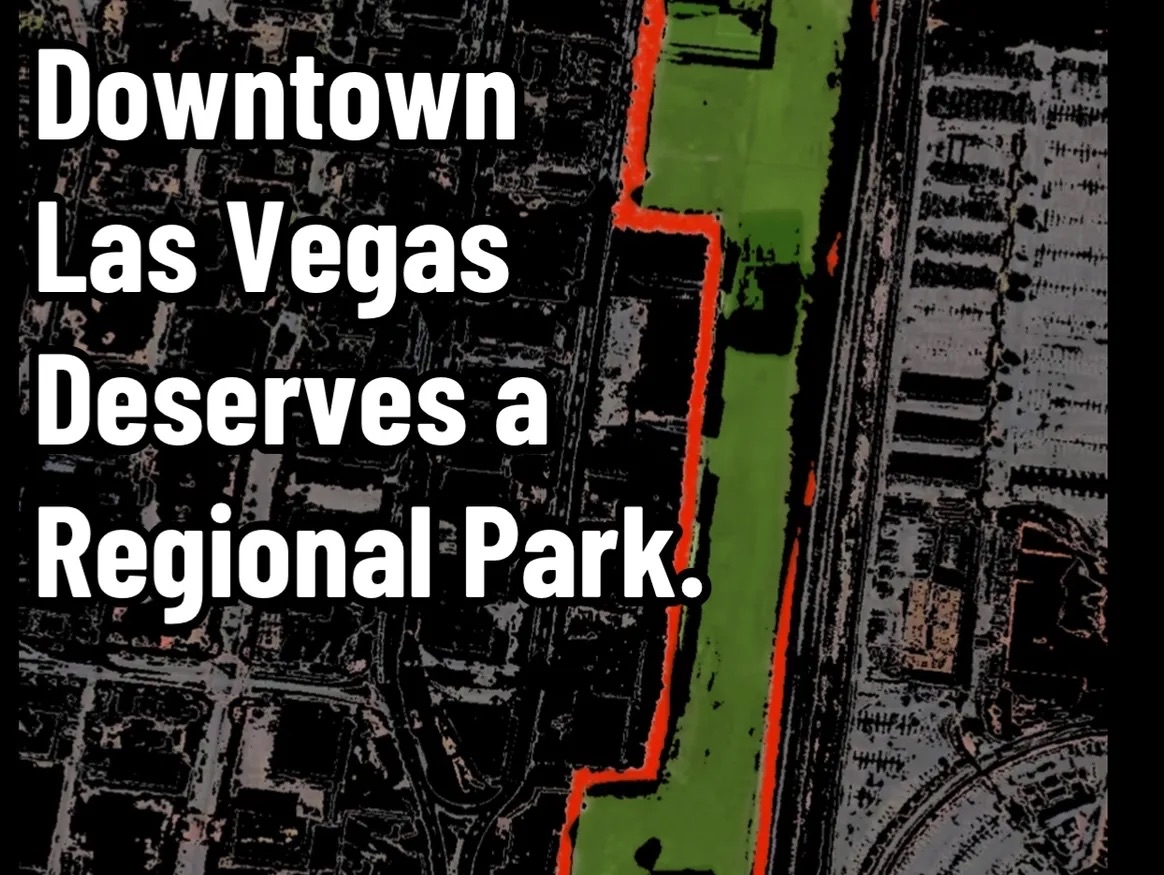
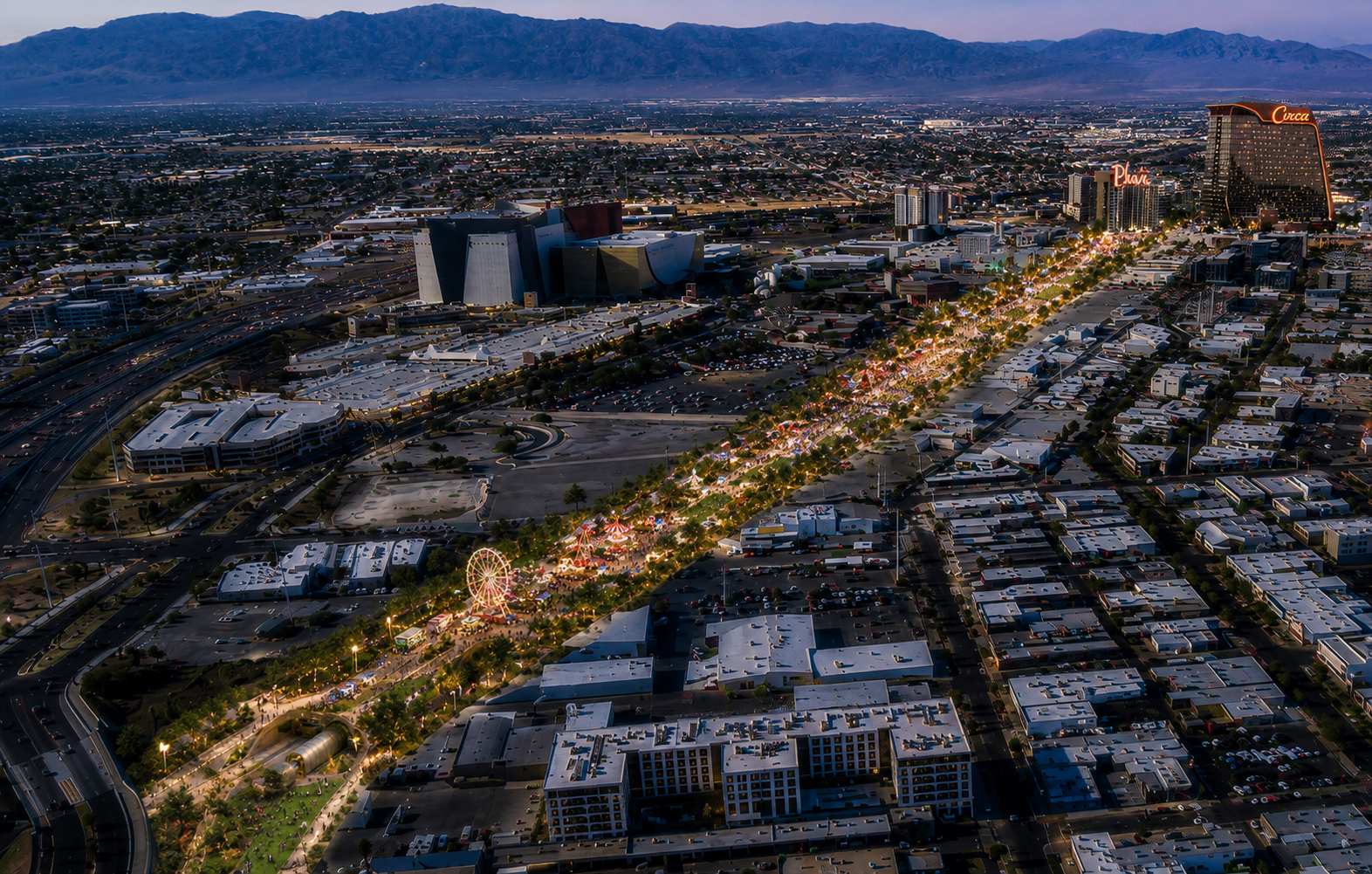
The Low Line is a long-term vision to tunnel the railroad through Downtown Las Vegas and transform the surface corridor into an extraordinary linear park connecting key destinations throughout the urban core. It is a bold idea, and we understand why some people may view it as difficult or even unlikely. But every city-changing project starts as an idea before it becomes a plan, and a plan before it becomes reality.

Low Line

We were especially grateful to learn that Shawn signed the petition. Whether someone believes the project happens in five years, twenty years, or beyond, supporting the conversation about Downtown Las Vegas’ future matters. Big ideas deserve discussion.

Low Line

What may have meant the most to us, however, is that Shawn and Mark are among the most passionate advocates for Las Vegas you’ll find anywhere. They spend their time showcasing the city, celebrating its successes, and talking honestly about its future. To have people who care so deeply about Las Vegas respond positively to the Low Line tells us something important: the idea resonates with people who genuinely love this city.

Low Line

We firmly believe the Low Line would forever change Downtown Las Vegas. It would reconnect neighborhoods, create new opportunities for housing, parks, entertainment, and development, and establish a civic space unlike anything else in the region. Projects of this scale are not just infrastructure projects; they are statements about what kind of city we want to become.

Low Line

We are grateful to Commissioner Tick Segerblom for expressing support for the concept and to Joy Hoover for publicly endorsing the vision. We hope more community leaders, elected officials, and stakeholders will take a serious look at what this project could mean for the future of Downtown Las Vegas.

Low Line

The reality is that transformative projects attract transformative investment. If Downtown Las Vegas announced a project that fundamentally reshaped the urban core, developers, investors, and resort operators would take notice.

Low Line

That kind of signal is already visible downtown: Derek Stevens showed what one committed investor can do around Fremont Street, and he already owns roughly six undeveloped acres in Symphony Park.

Low Line

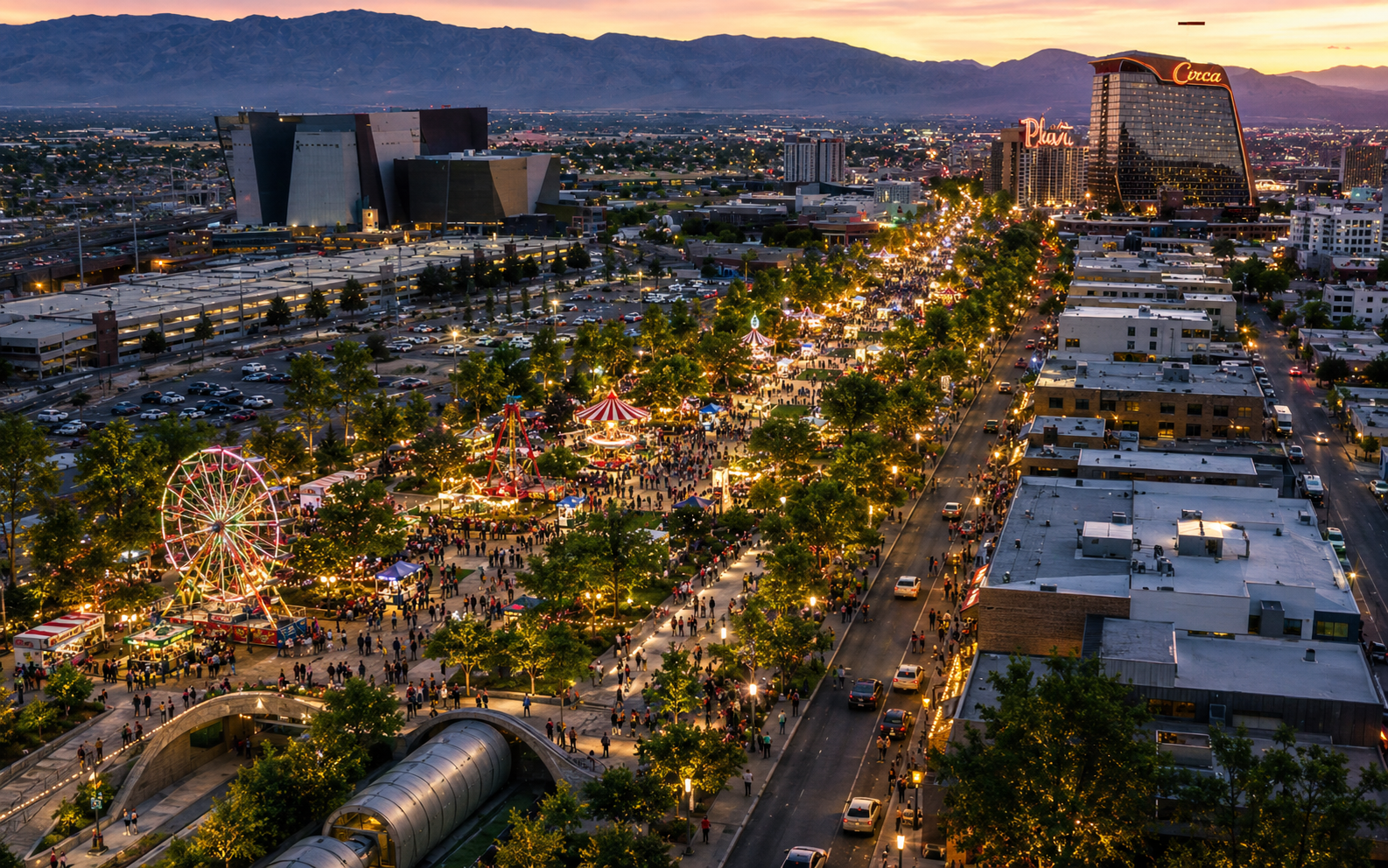
A project like the Low Line would build on that momentum and, most likely, make a future expansion into Symphony Park (a.k.a. Circa 2) happen much faster by turning the rail corridor from a barrier into a connection between Fremont Street and downtown's next major growth area.

Low Line

The Low Line is not just about a park. It is about creating the kind of environment that inspires the next generation of development and gives Downtown Las Vegas a truly world-class vision.

Low Line

Thank you again to Shawn, Mark, and everyone at MTM Vegas for helping keep that conversation alive.

No world-class downtown was ever built by thinking small.
The Low Line Gateway to Fremont
Esoes Cosmetics collection.
Gateway to Fremont promo

SUPPORT ESOES COSMETICS

ESOES COSMETICS

SHOP THE COLLECTION

DTLV WOMEN-OWNED BUSINESS

Explore cosmetics from Esoes and support a women-owned Downtown Las Vegas business.

Browse the Esoes collection for beauty products, gifts, and everyday essentials.

Gateway to Fremont is proud to spotlight local businesses helping Downtown thrive.

Shop the Esoes Cosmetics collection.

SHOP ESOES COSMETICS

Gateway to Fremont
Supporting Downtown Las Vegas businesses

The Low Line Gateway to Fremont
This is your sign to move Downtown

Top 7 Downtown Apartments

This is your sign to move Downtown!

For years, people underestimated Downtown Las Vegas. Not anymore.

From the Arts District to Symphony Park and Fremont East, luxury apartments are opening, and developers are betting hundreds of millions of dollars on the future of the urban core.

What makes this moment exciting is that these projects are not isolated. Together, they are beginning to create a real connected downtown neighborhood stretching from the Arts District to Fremont Street and eventually, hopefully, all the way toward the Strip itself.

A quick note before the list: every project here is impressive. These are all modern apartment communities with the kinds of amenities people expect today, like pools, fitness rooms, coworking spaces, outdoor areas, barbecues, and lifestyle features that make downtown living feel real.

(We are not a brokerage and are not compensated for listings or clicks. Listings are an editorial decision, and are protected by the First Amendment.)

1. Gemma ⭐️

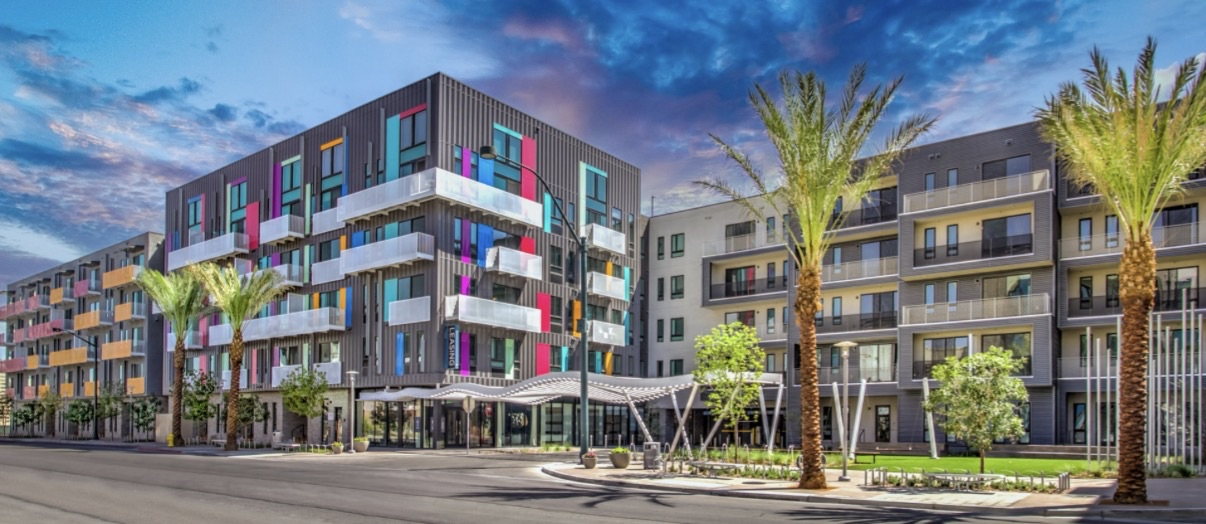
Gemma (⭐️ Top Pick) may ultimately become one of the most important projects in the Arts District because of its location and scale. It's three buildings that have transformed an intersection, from dirt lots to housing. We love this project.

Gemma apartment photo 1

Positioned at Third Street and California Avenue, the project acts as a bridge between the Arts District and Las Vegas Boulevard. It is also directly connected to transit, including the Deuce line, meaning residents can realistically get from the Arts District to the Strip within minutes without needing a car.

Gemma apartment photo 2

This is the kind of urban infill Downtown Las Vegas desperately needs: dense housing, walkable retail, and residents living near restaurants, entertainment, and transit.

Gemma apartment photo 3

More importantly, Gemma helps close the psychological gap between the creative core of downtown and the resort corridor. Projects like this make Las Vegas feel more like a true connected city instead of disconnected pockets.

Gemma apartment photo 4

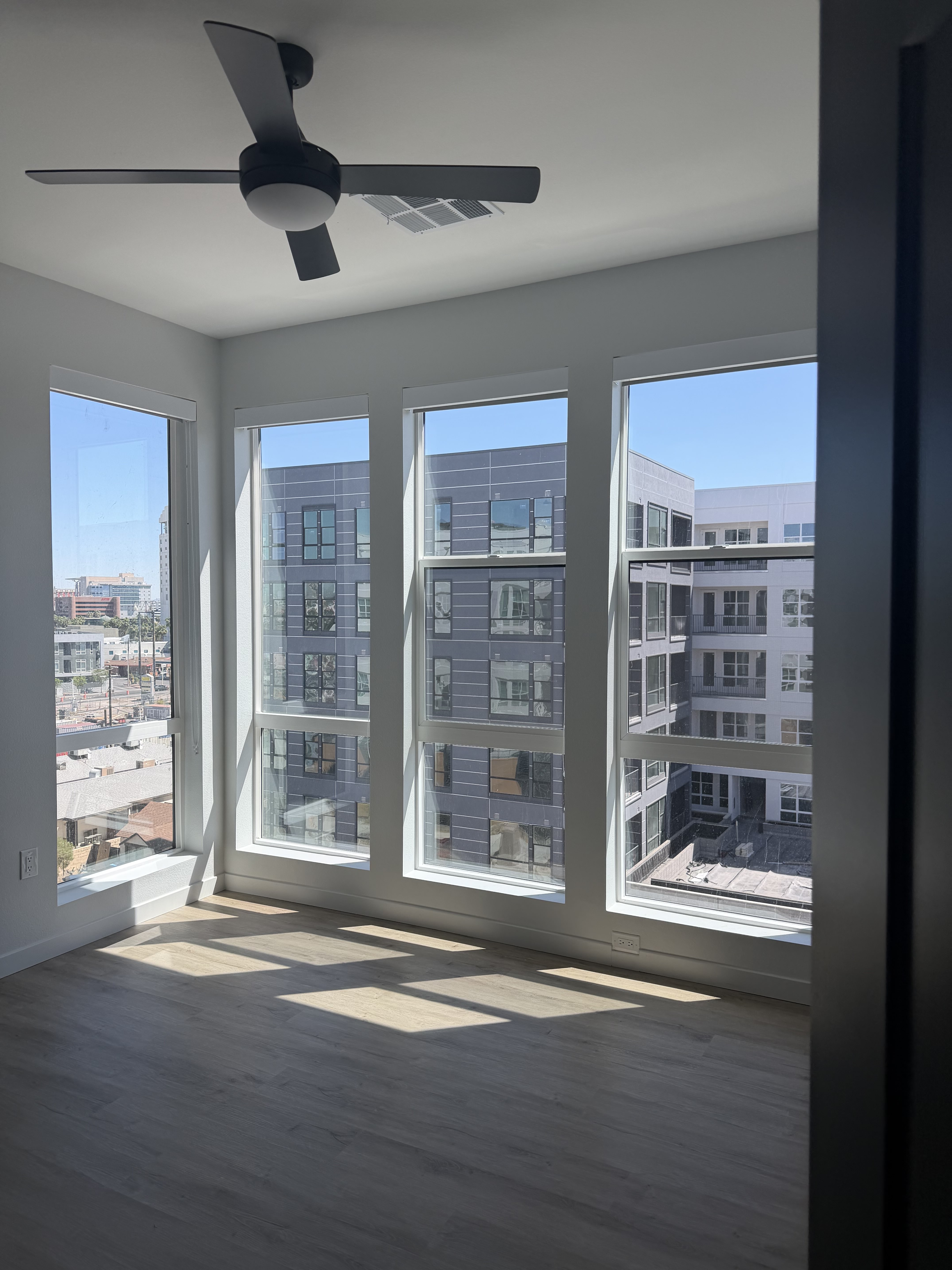
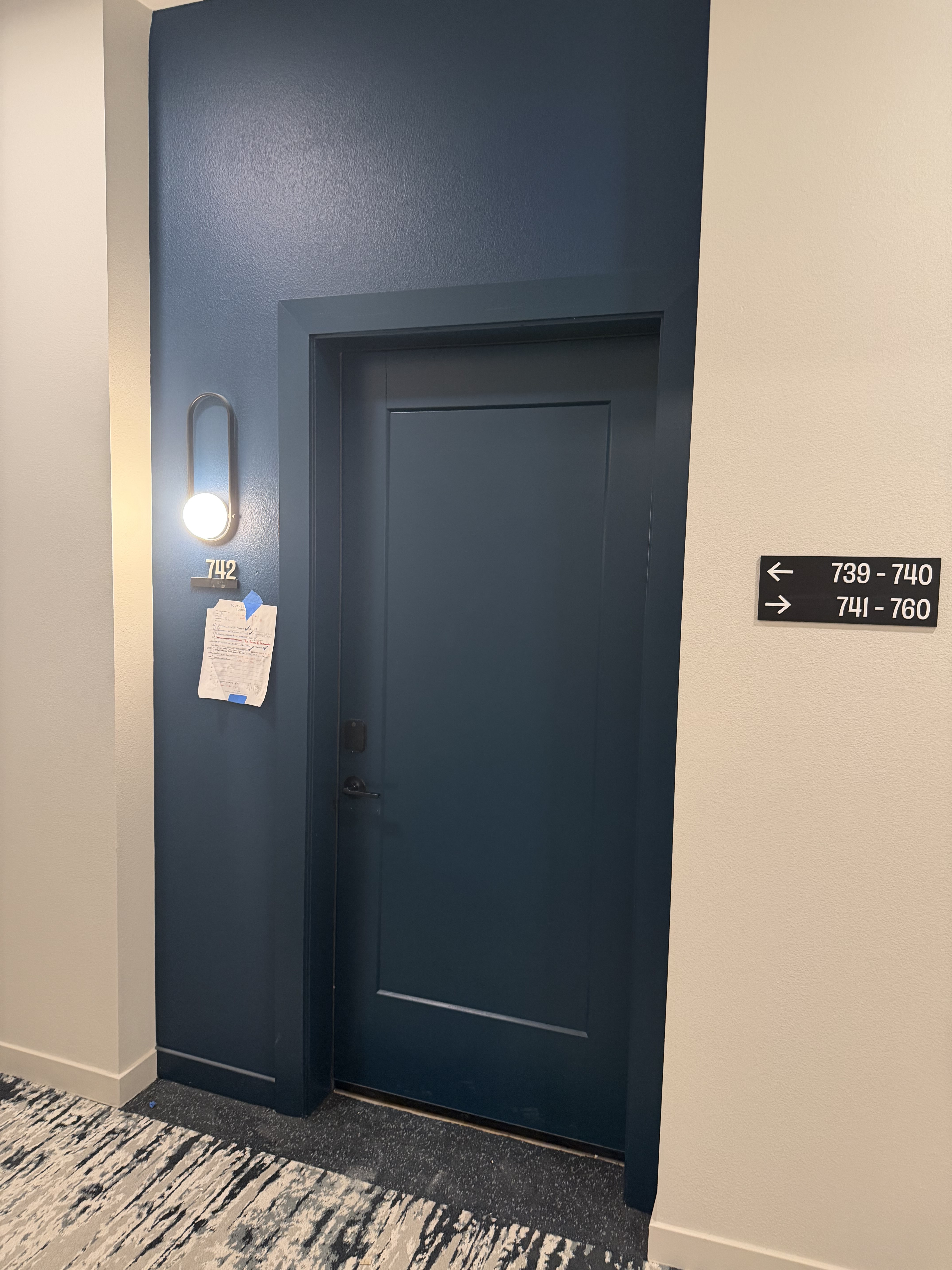
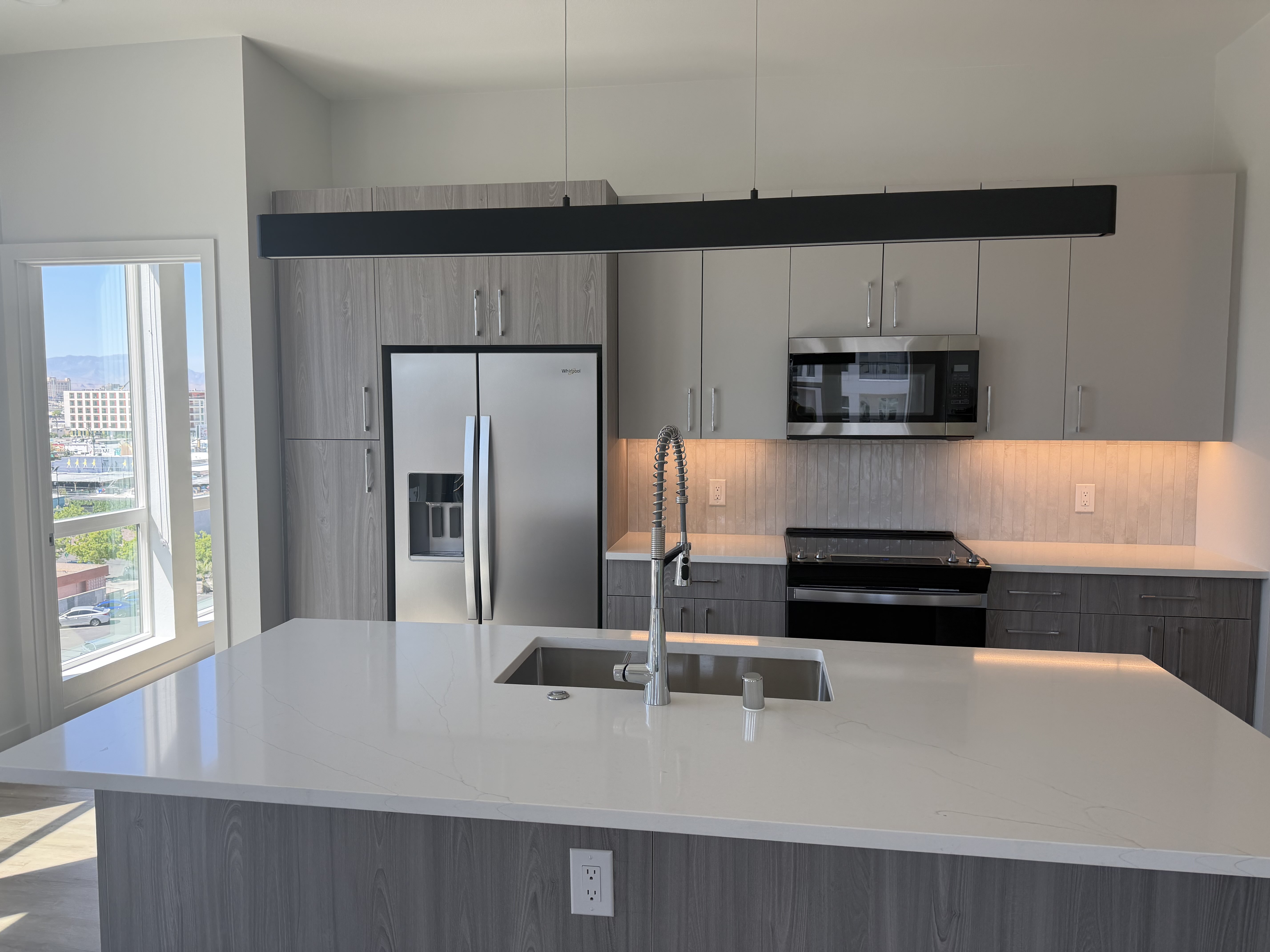
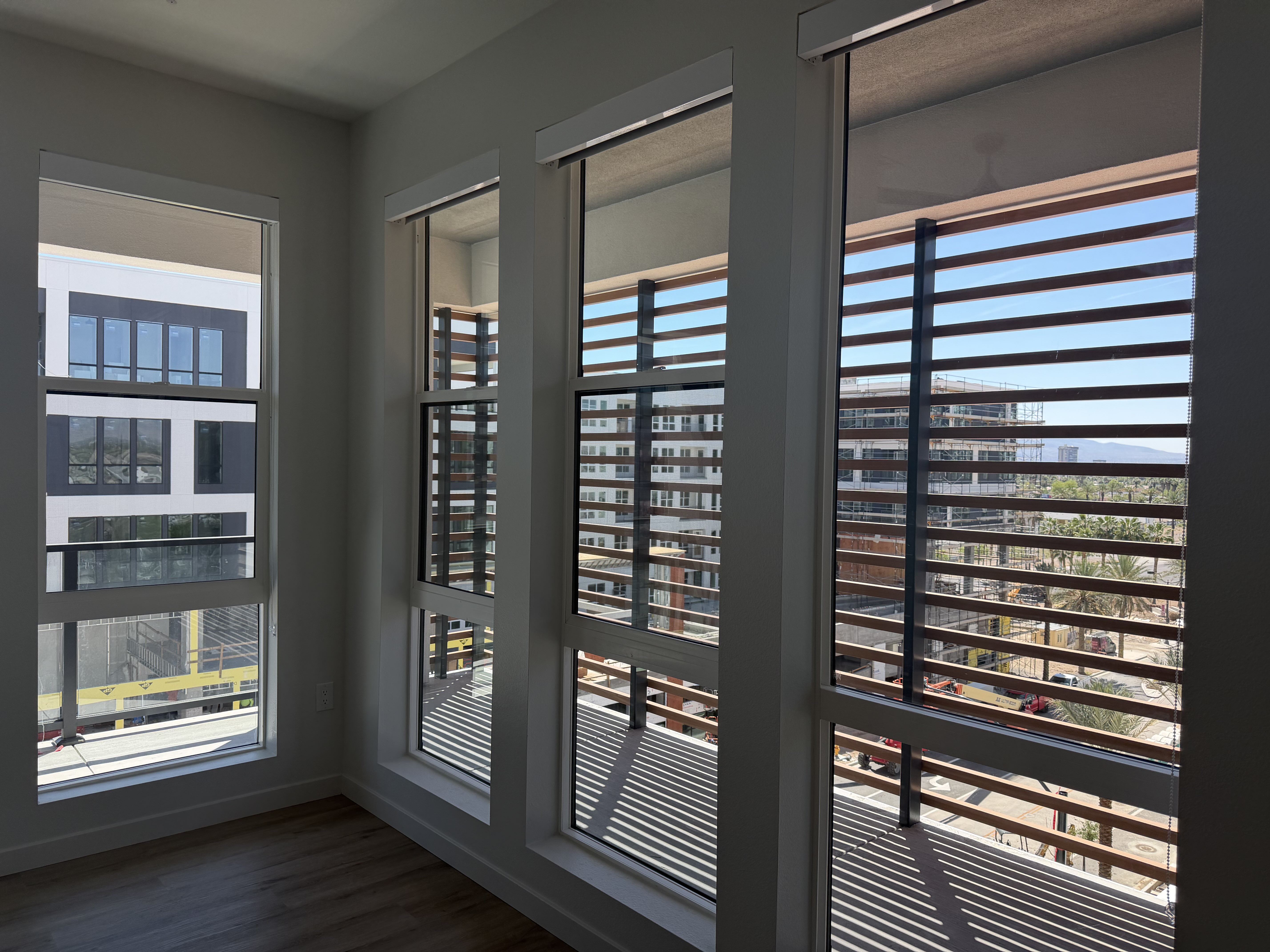
What really pushed Gemma to the top of our list is the attention to detail inside the building itself. The interiors feel incredibly well thought out and modern, from the colors of the entry doors to the carpet selections in the hallways and the overall vibe of the common spaces and units.

Gemma apartment photo 5

It does not feel generic or cookie-cutter. It feels hip, elevated, and intentionally designed for modern urban living. You can tell real effort went into creating a lifestyle experience, not just another apartment building.

Gemma apartment photo 6

Honestly, it is one of the few projects downtown where we could genuinely picture ourselves wanting to live full time.

Gemma apartment photo 7

That being said, the one thing we do not love about the project is that it is still only a mid-rise development. In our opinion, that location one of those buildings should have been a true high-rise tower.

Gemma apartment photo 8

This goes back to one of the biggest issues holding Downtown Las Vegas back: restrictive height limits. Downtown Las Vegas is geographically small compared to other major urban cores. There simply is not much room left to grow outward, which means the city should be thinking vertically.

Gemma apartment photo 9

2. Capella 💎

Capella is what we're talking about!

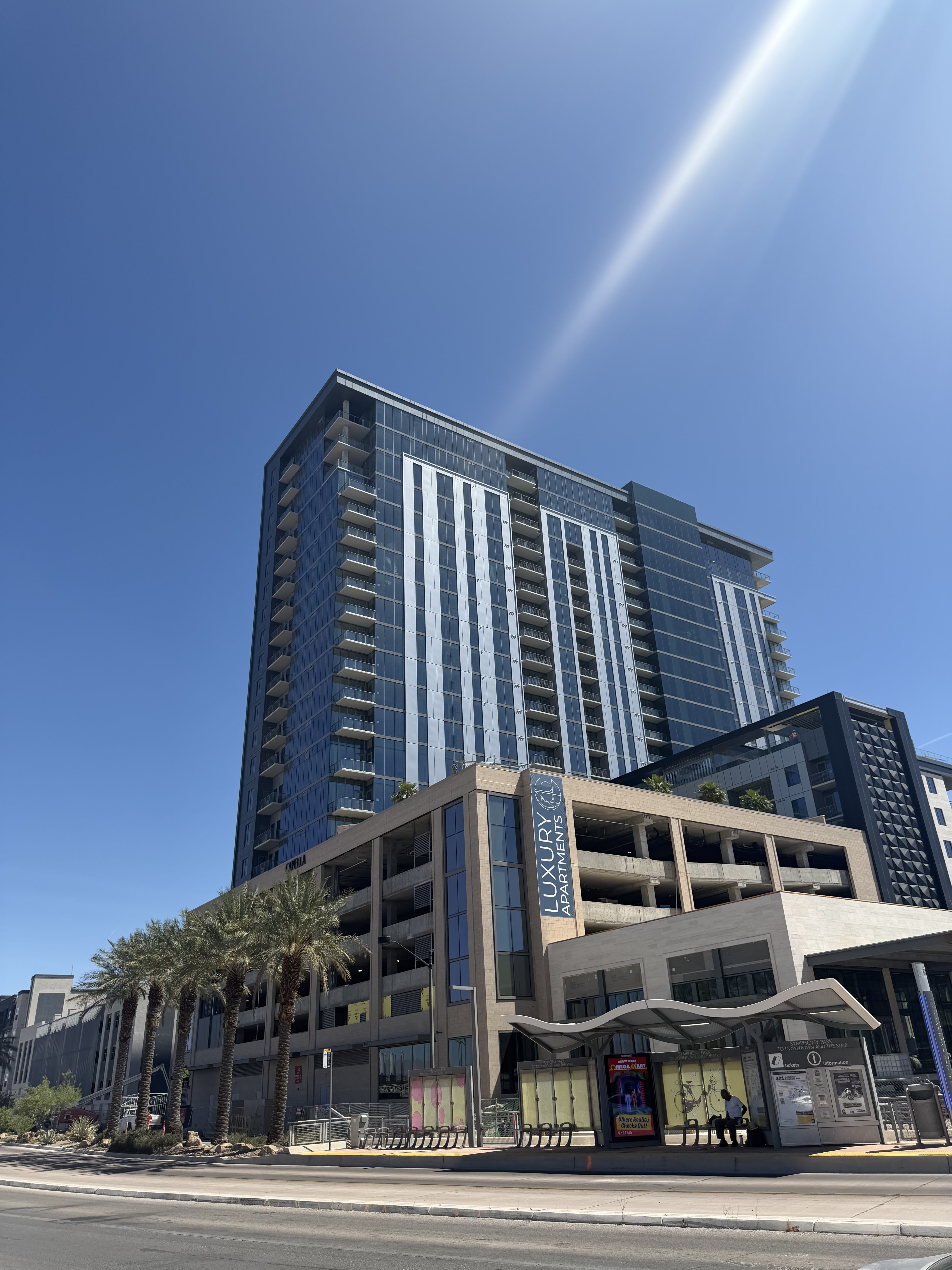
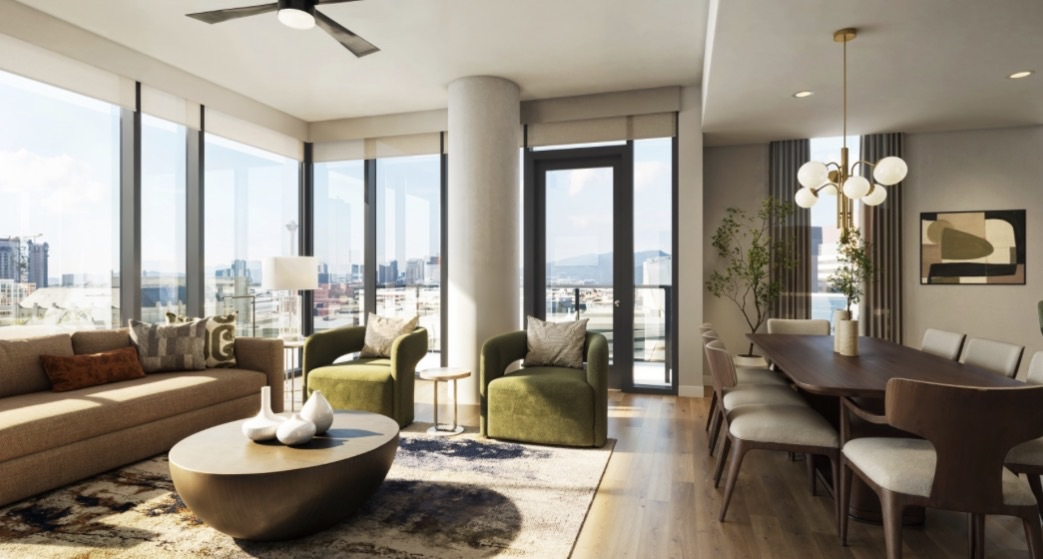
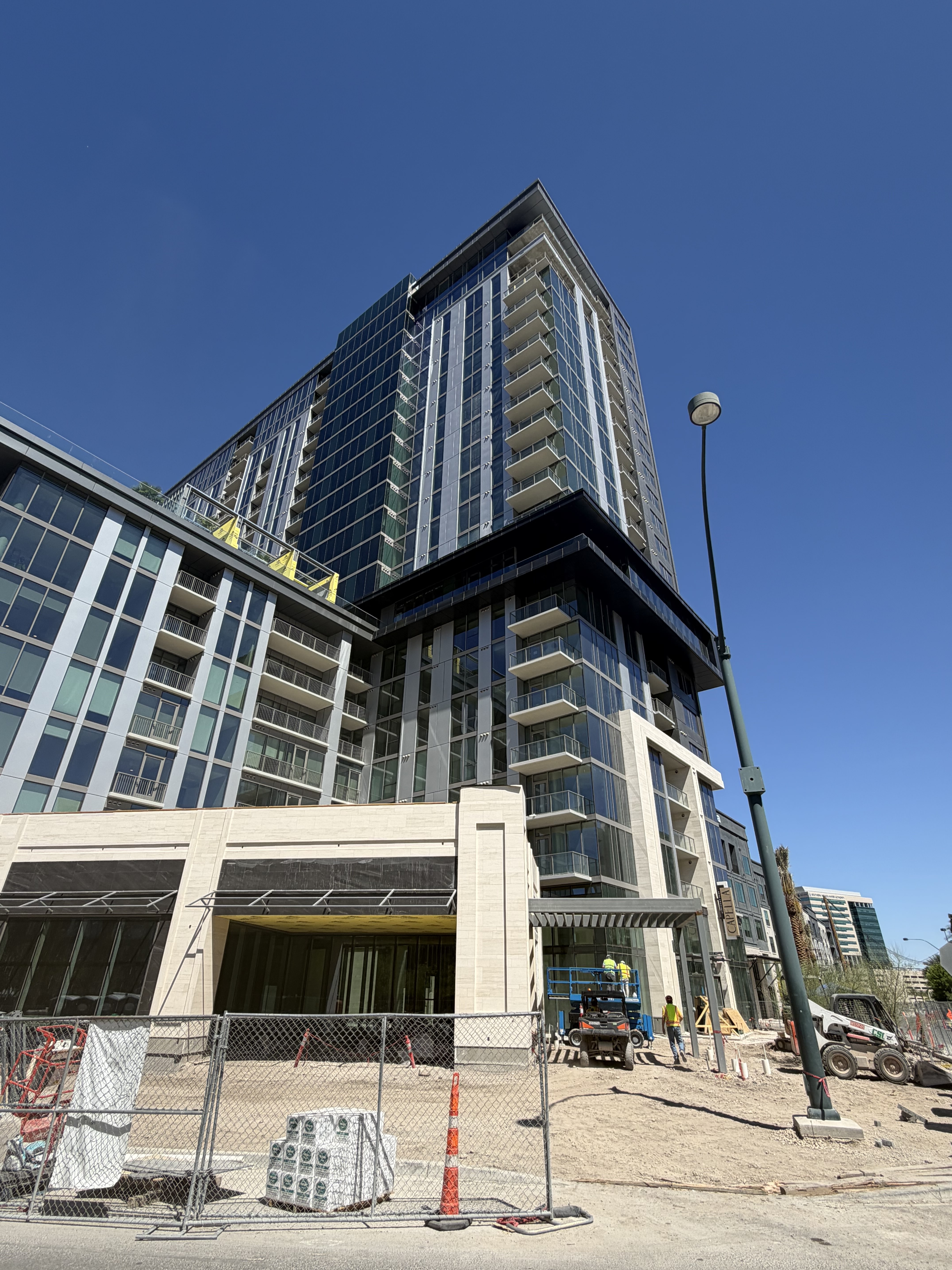
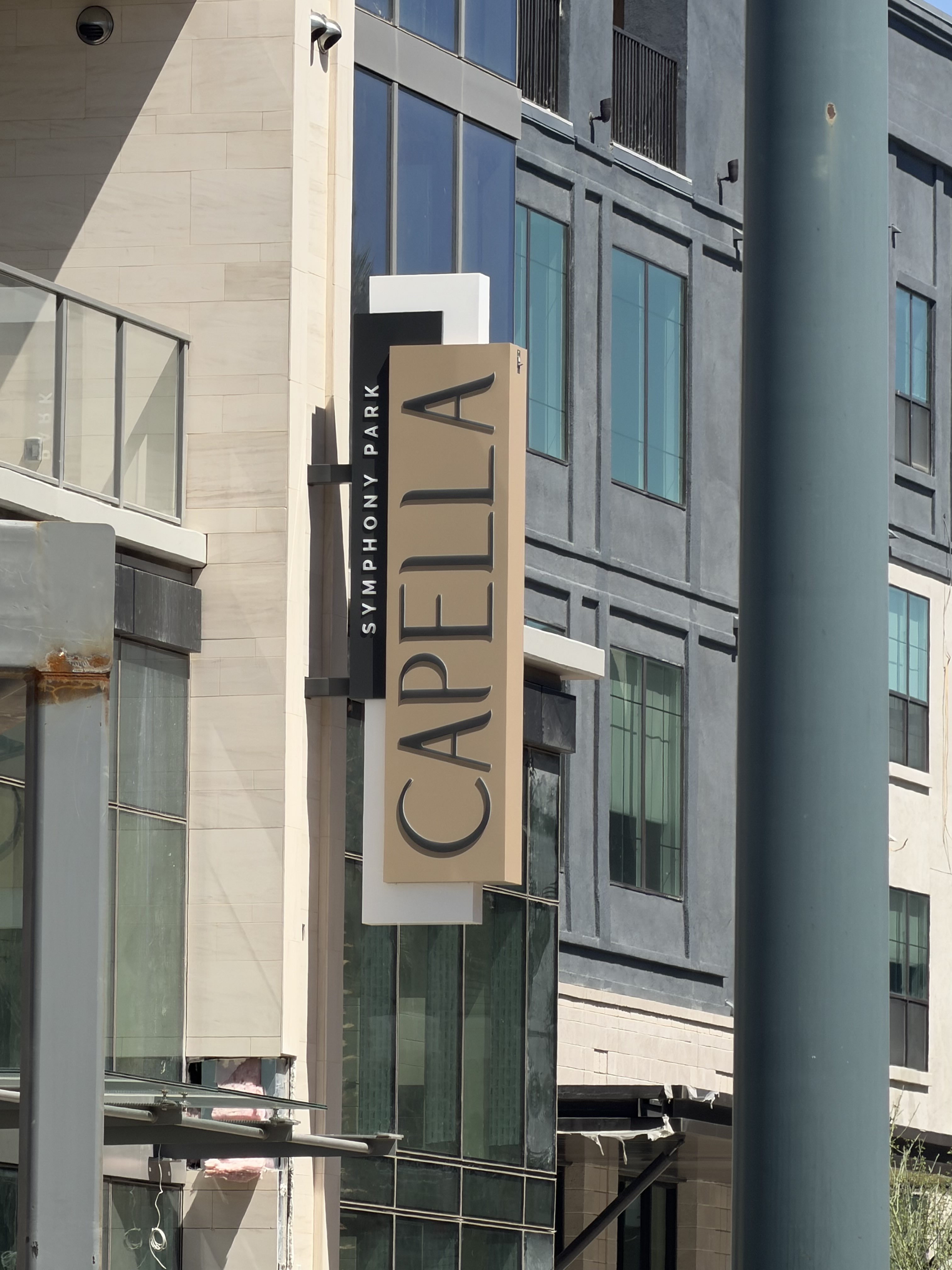
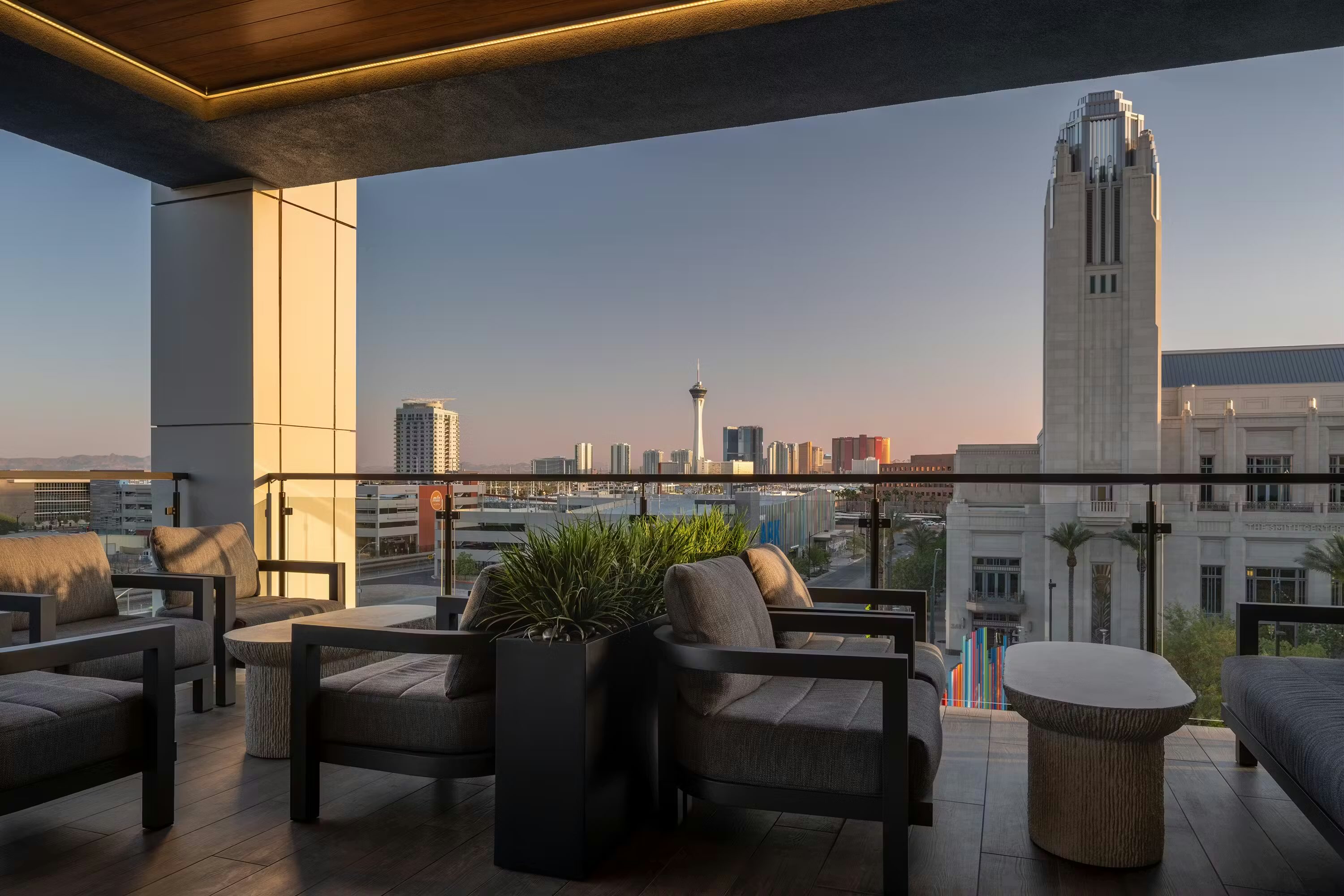
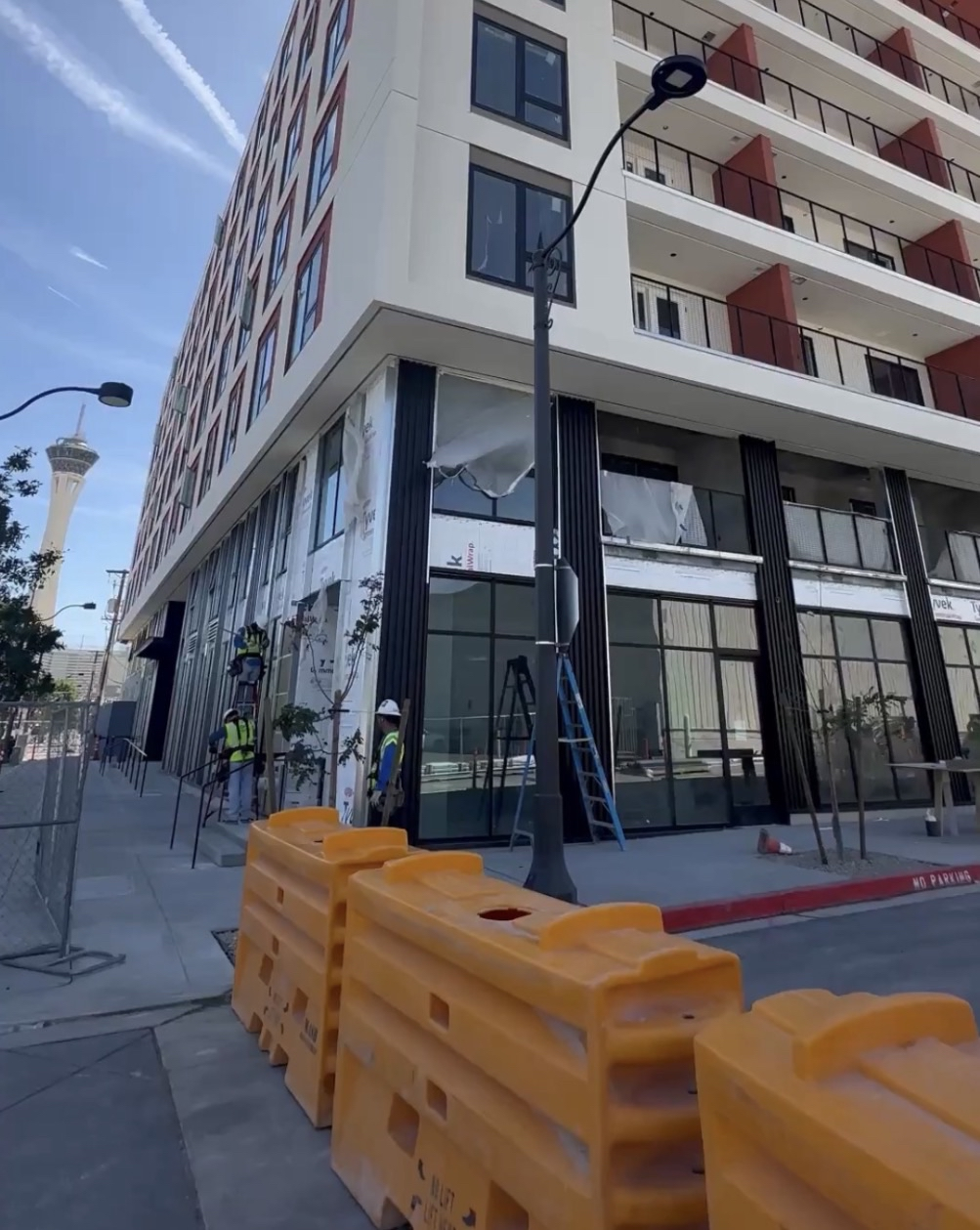
Capella (💎 Most Luxurious) is a major milestone for Downtown Las Vegas because it brings true luxury high-rise apartment living into Symphony Park.

Capella apartment photo 1

At 22 stories, it immediately changes the skyline and offers something downtown has lacked for years: elevated residential living with views, amenities, and a modern urban lifestyle experience.

Capella apartment photo 2

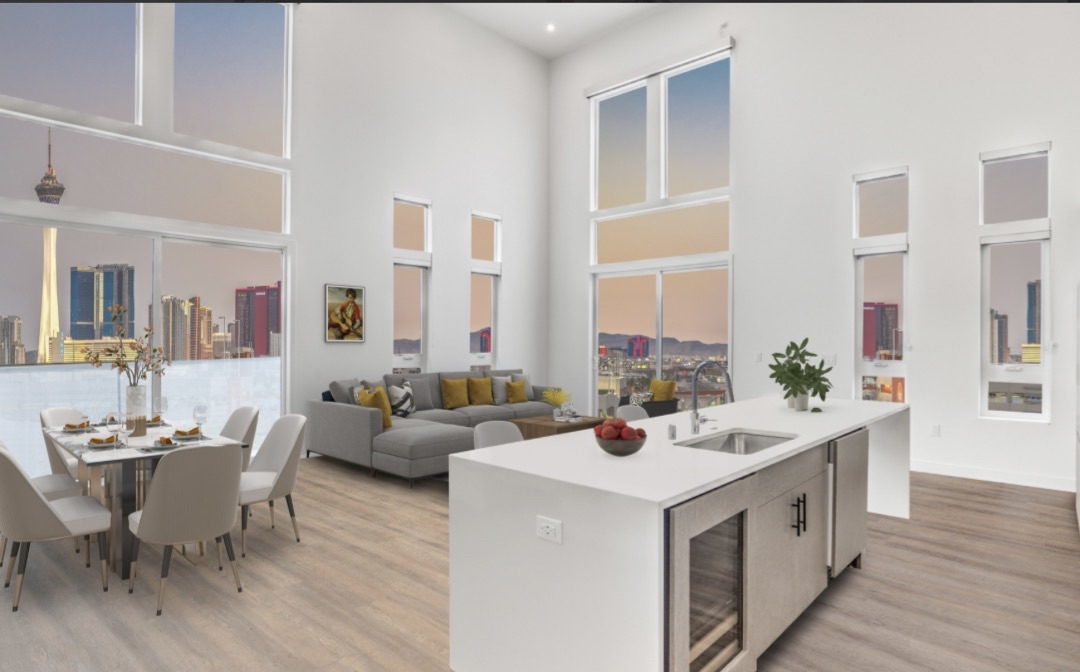
Capella’s interiors are honestly some of the most impressive we’ve seen downtown. From the gas ranges to the gold chandeliers, the bathroom lighting, the windows in the bathrooms, and the overall finishes throughout the units, the design feels luxurious, modern, and carefully curated.

Capella apartment photo 5

You can tell a tremendous amount of thought went into the building. It does not just feel like another apartment project. It feels elevated, sophisticated, and designed to compete with luxury residential towers in much larger cities.

Capella apartment photo 4

Its location next to Symphony Park, Fremont Street, and the urban core makes it one of the most attractive residential projects currently under construction. Residents will be steps away from concerts, restaurants, nightlife, and major civic destinations while still having access to rooftop amenities and skyline views.

Capella apartment photo 3

Projects like Capella prove that downtown can support true vertical residential density.

Honestly, this is exactly what Downtown Las Vegas needs more of within its five square miles. Every few blocks should have projects like this rising into the skyline. The city should be encouraging more cranes in the sky, more housing density, more high-rise living, and more ambitious urban development.

Instead, too many projects still get limited by outdated restrictions and a lack of urgency around growth. If downtown wants to compete with other major cities, we should be seeing far more high-rise proposals approved throughout the urban core.

When land prices continue rising while height restrictions remain limited, it stifles growth, limits housing supply, reduces tax revenue potential, and prevents truly transformative skyline-changing projects from happening.

If Las Vegas wants a world-class downtown, the city must eventually embrace taller buildings in the urban core.

Okay, we will get off our soapbox!

3. Ely on Fremont 🍸

Ely on Fremont (🍸Party Central) continues the transformation of Fremont East into a real residential neighborhood instead of just an entertainment district.

Ely on Fremont apartment exterior

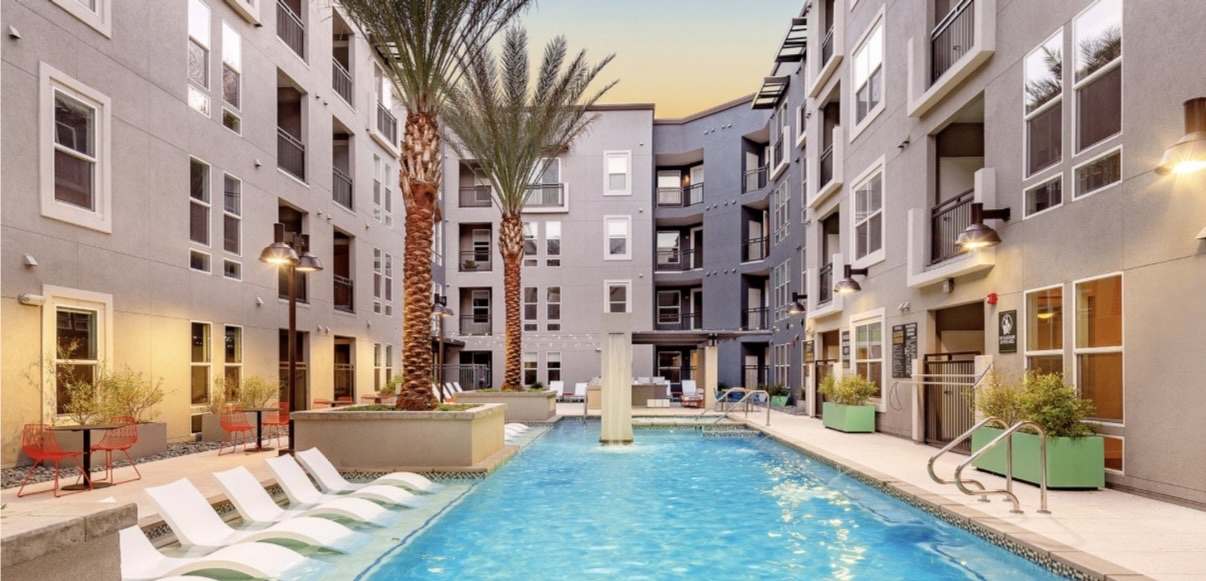
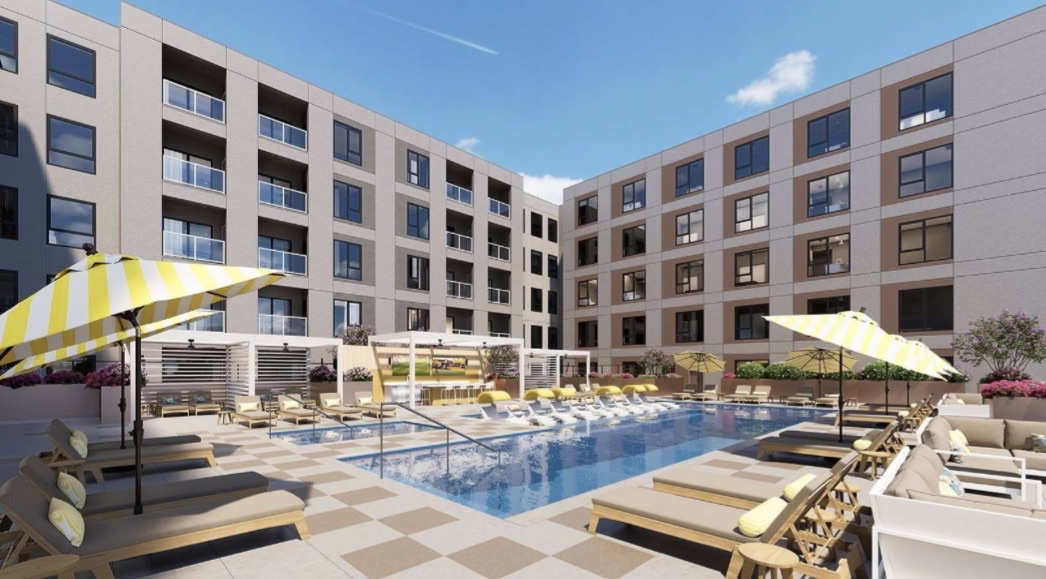
Located right next to Container Park and surrounded by restaurants, bars, coffee shops, boutiques, and local businesses, Ely places residents directly in the middle of one of the most walkable and active parts of Downtown Las Vegas.

Ely on Fremont pool courtyard

You can walk downstairs and immediately experience the energy of Fremont East, whether that's grabbing food, shopping local, meeting friends, or just enjoying the atmosphere that makes downtown feel different from the rest of the valley.

4. Bria

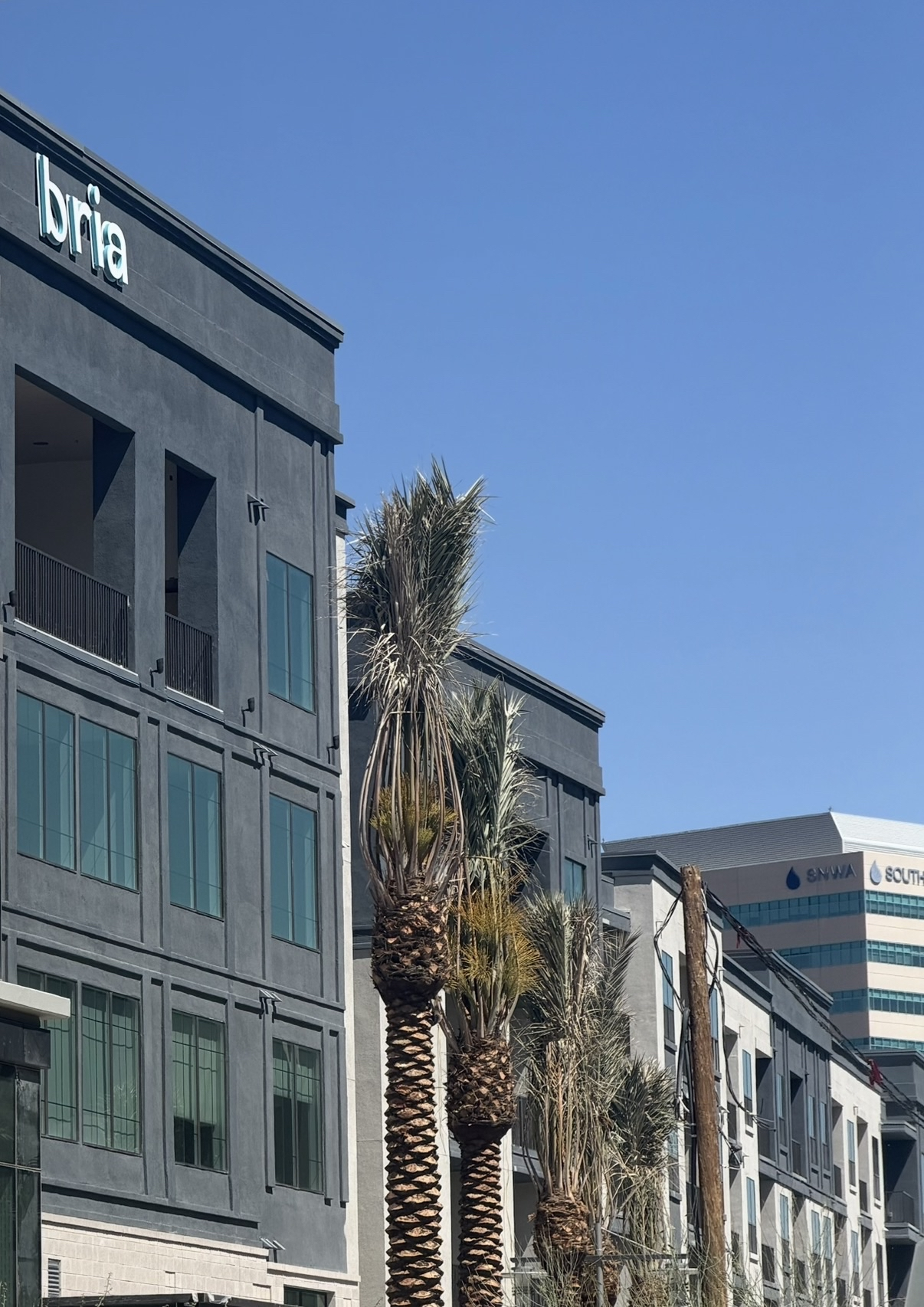
Bria represents the next wave of modern downtown apartment living.

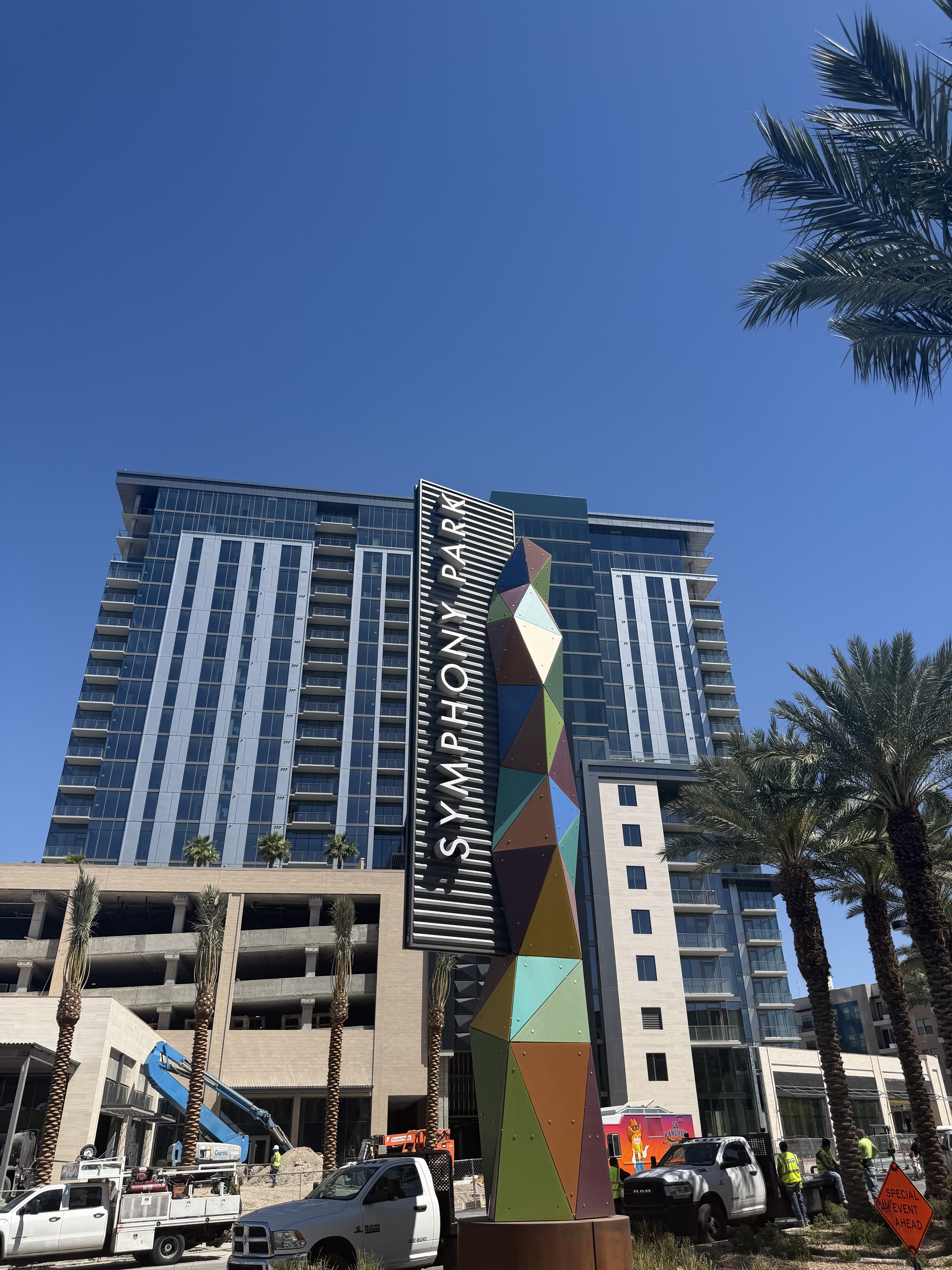
Located in Symphony Park, one of the cleanest, safest, and most organized parts of downtown, Bria offers residents a quieter urban experience while still being close to Fremont Street, the Arts District, and major entertainment destinations.

Bria apartment photo 1

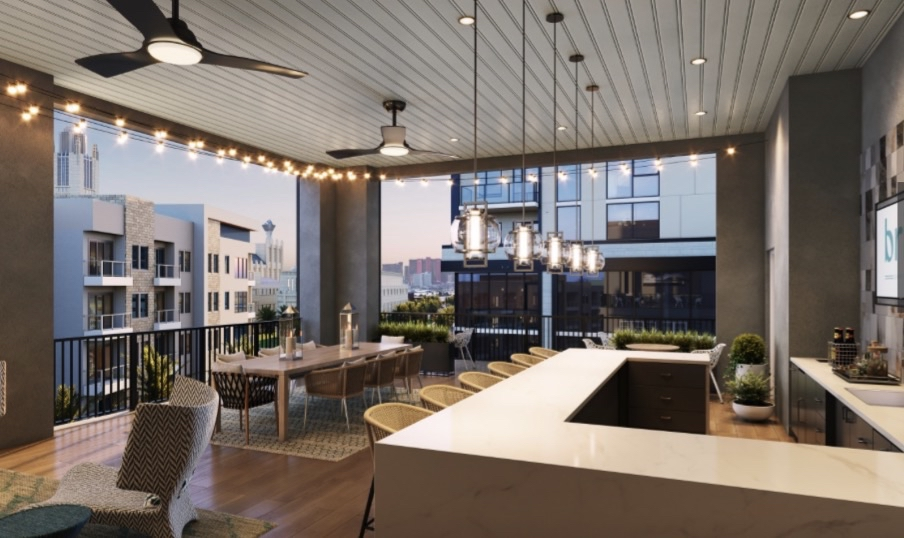
With smart-home features, fitness amenities, coworking spaces, and a younger urban focus, projects like Bria are helping attract new residents who want walkability and city living without moving to larger coastal cities.

Bria apartment photo 2

As more projects like this rise, Downtown Las Vegas becomes more competitive nationally for young professionals, creatives, and remote workers.

5. Auric Symphony Park

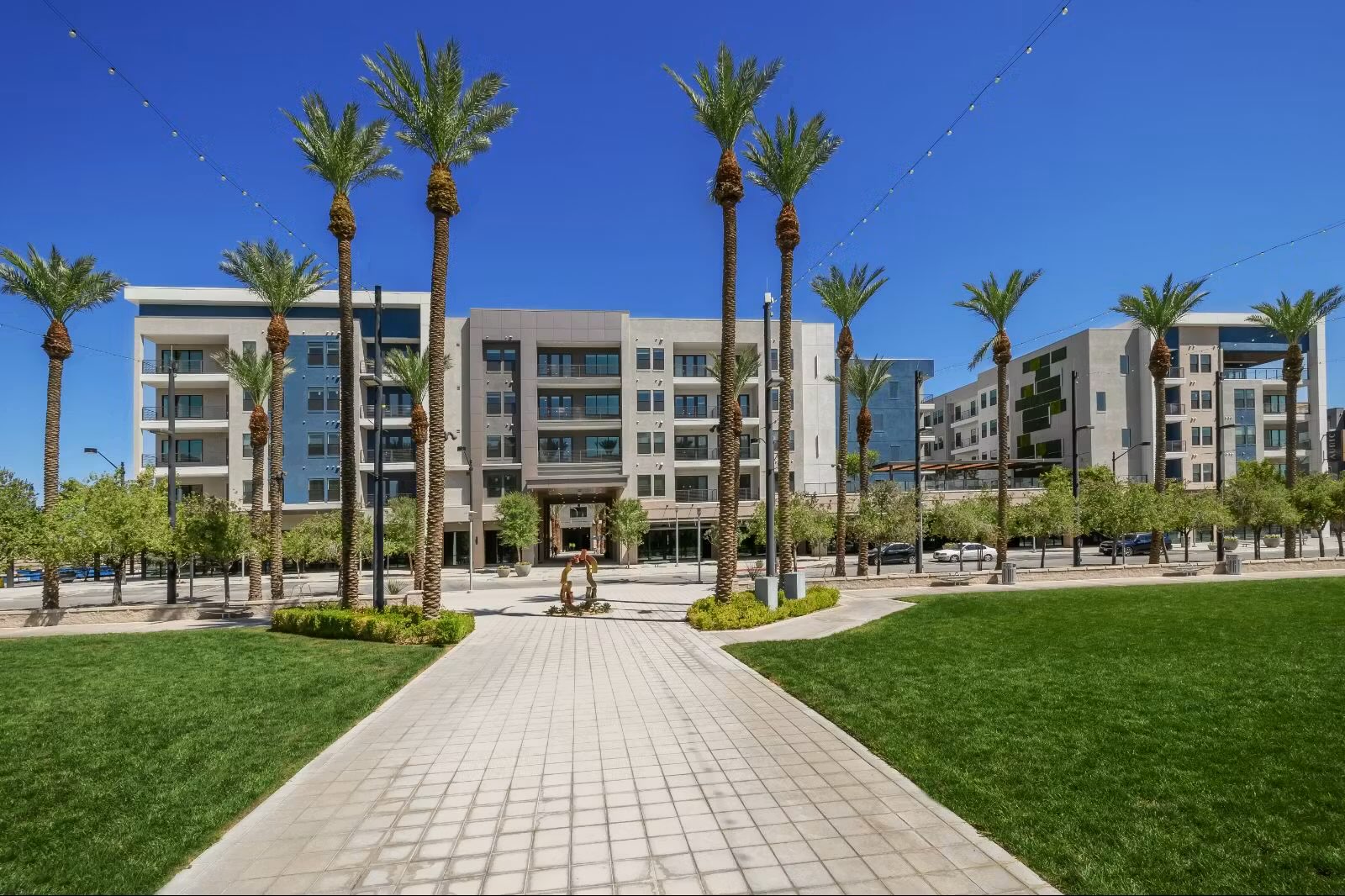
Auric continues the expansion of residential life within Symphony Park, one of the cleanest and most master-planned parts of downtown.

Auric Symphony Park apartment photo 1

Its location near entertainment, dining, and major cultural destinations makes it another strong addition to the growing residential ecosystem surrounding Symphony Park and the Smith Center area.

Auric Symphony Park apartment photo 2

Together, projects like Auric and Capella are helping transform Symphony Park into a true urban neighborhood rather than simply an isolated development district.

6. Parc Haven

Parc Haven is another strong addition to Symphony Park and shows how much momentum this part of downtown continues to build.

Parc Haven apartment photo 1

What we like about Parc Haven is that it brings more modern housing into an area that is already becoming one of the most polished and livable parts of Downtown Las Vegas. It is close to Symphony Park, the Smith Center, Fremont Street, restaurants, entertainment, and the growing residential community around it.

Parc Haven apartment photo 2

It adds more people, more energy, and more demand for better retail, better streets, better parks, and a stronger downtown neighborhood. That matters, because every new residential project helps prove that people want to live in the urban core when the city actually gives them quality options.

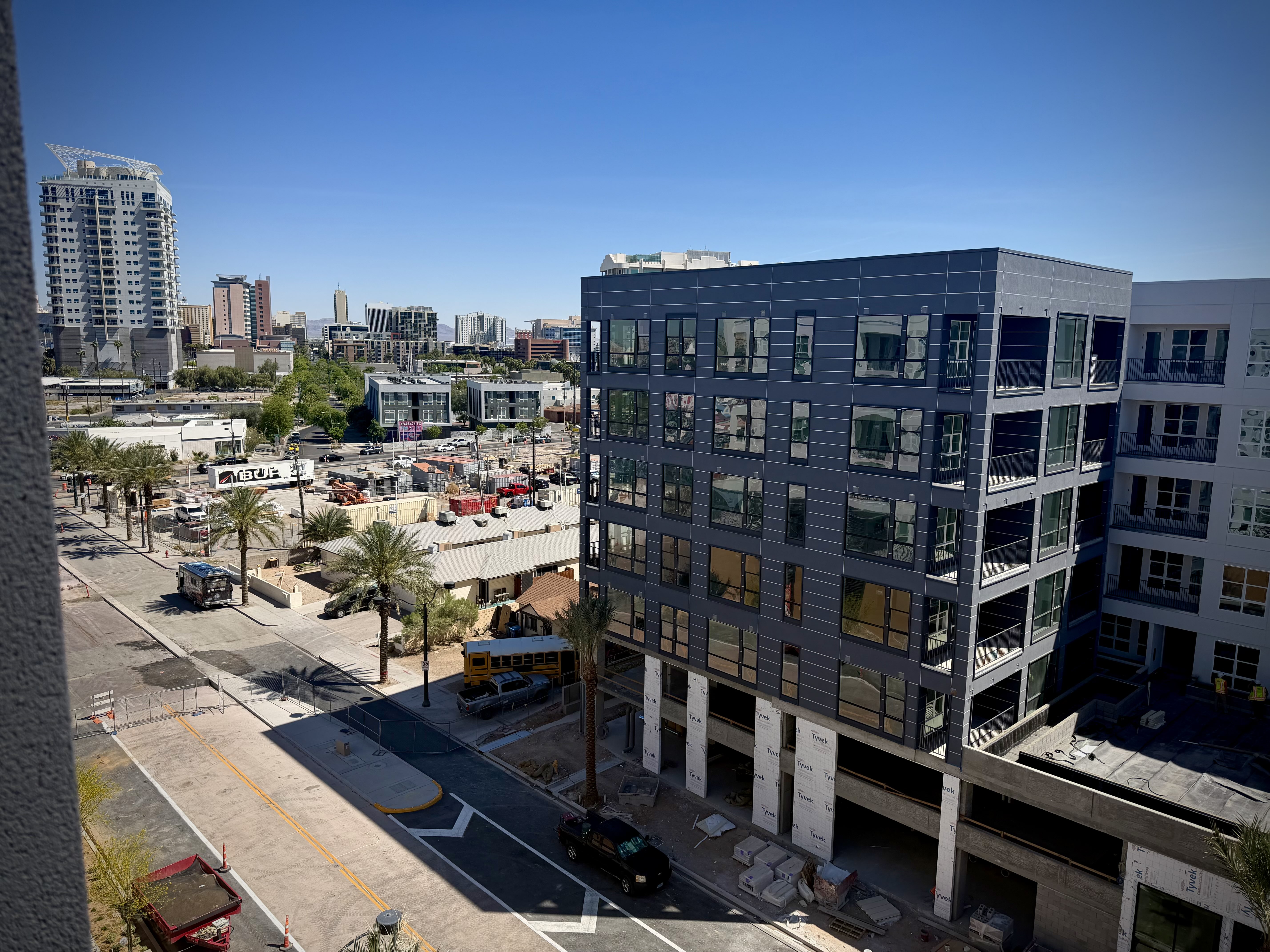
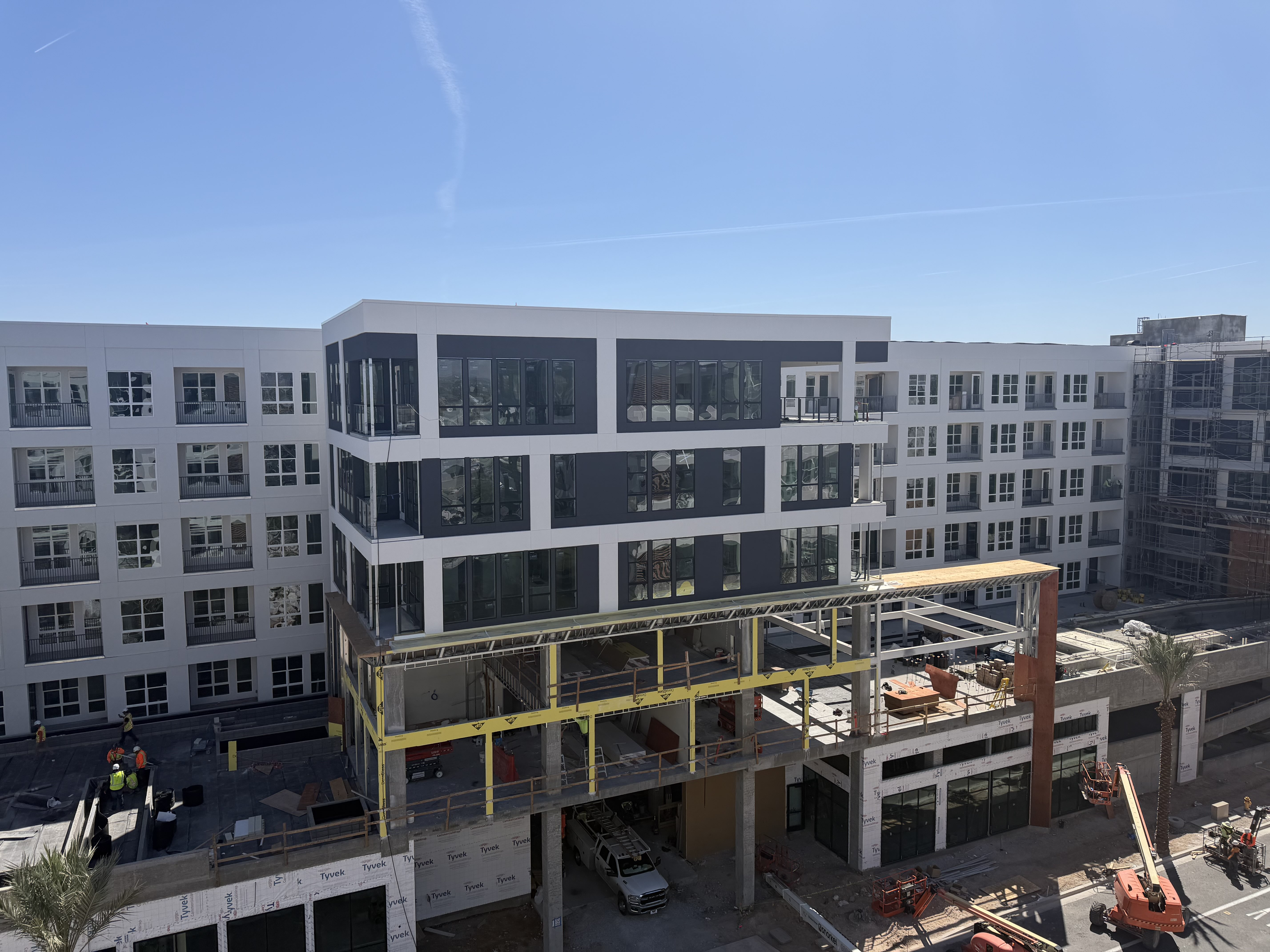
That being said, the biggest negative is the railroad line. Parc Haven sits near the active rail corridor, which means freight train noise is part of the downside, and that rail line still acts as a hard barrier between Symphony Park and the rest of downtown.

This is exactly why we keep advocating for the Low Line concept: tunneling the railroad and creating a world-class linear park above it. If the rail line were tunneled, Parc Haven and Symphony Park would no longer feel separated from the rest of downtown. They could become part of one connected, walkable, green downtown corridor.

Parc Haven is nice. Symphony Park is nice. But the railroad is still holding back the full potential of this area, and that is why Parc Haven lands at number six on our list.

7. The Myles on Commerce

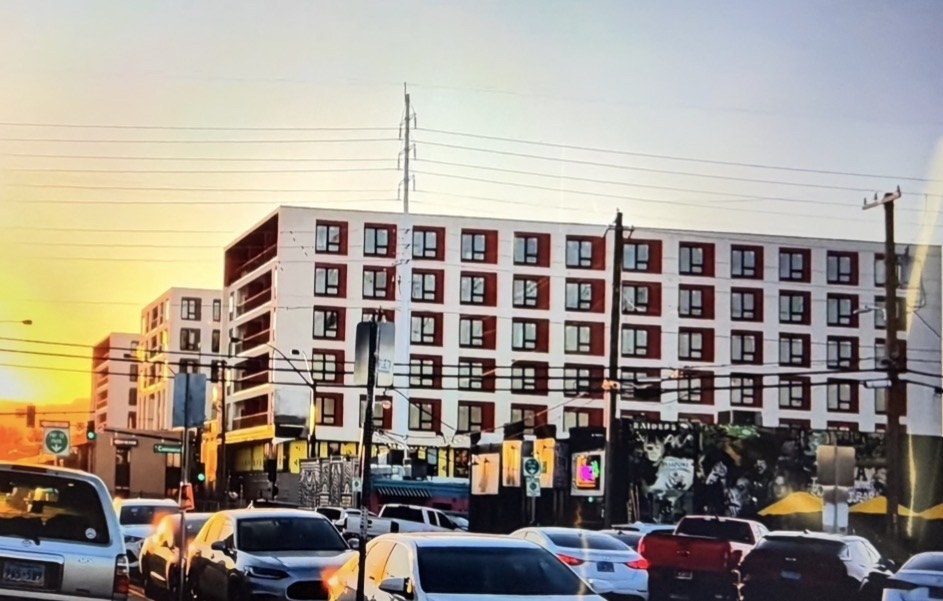
The Myles is one of the boldest residential projects currently opening in the Arts District and represents a major vote of confidence in Downtown Las Vegas.

The Myles on Commerce apartment photo 1

Its location on Commerce Street places residents directly in the middle of galleries, restaurants, nightlife, breweries, coffee shops, and the creative energy that has made the Arts District explode in popularity over the last decade.

The Myles on Commerce apartment photo 2

That being said, The Myles also sits directly next to the active railroad corridor, which means freight train noise is a real negative. It is the same corridor we've continued advocating for the city to eventually tunnel underground through the Low Line concept.

The Myles on Commerce apartment photo 3

If that ever happened, projects like The Myles would become even more valuable and transformative, connected directly to a world-class park and pedestrian corridor rather than sitting next to freight tracks.

The potential economic impact of reconnecting downtown through a tunnel and linear park could be massive, unlocking billions in development opportunities stretching from the Arts District toward Fremont Street and eventually connecting deeper into the resort corridor itself.

What apartment do you want to check out? Share this blog with a friend!Some cool cat, that wants that epic city life! Like you.

The Low Line Gateway to Fremont
Public land. Transit access. Downtown scale.

Big Land. Small Thinking.

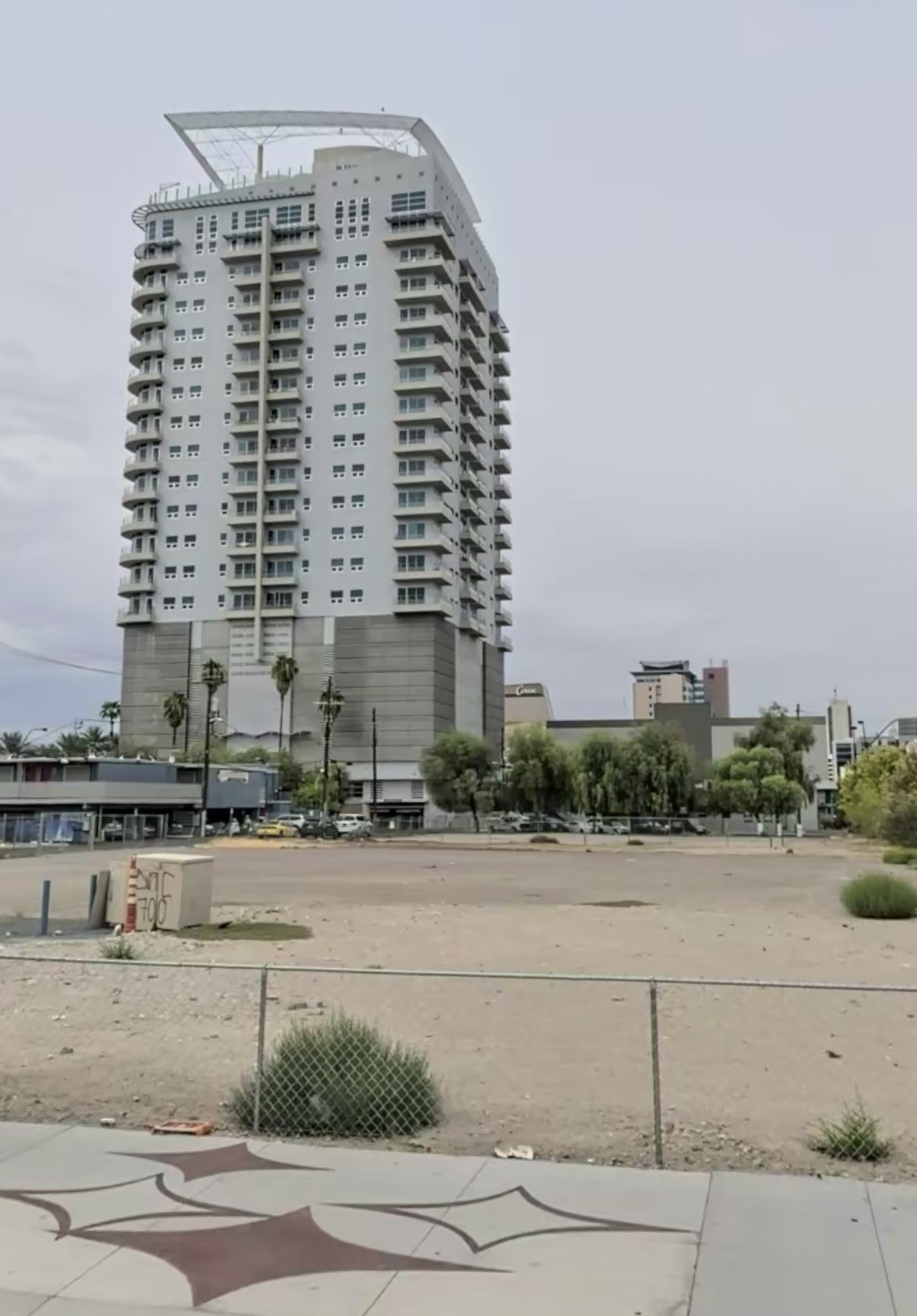
A Prime RTC Site Next to the Bonneville Transit Center Should Be Shaping Downtown’s Future, Not Sitting Empty

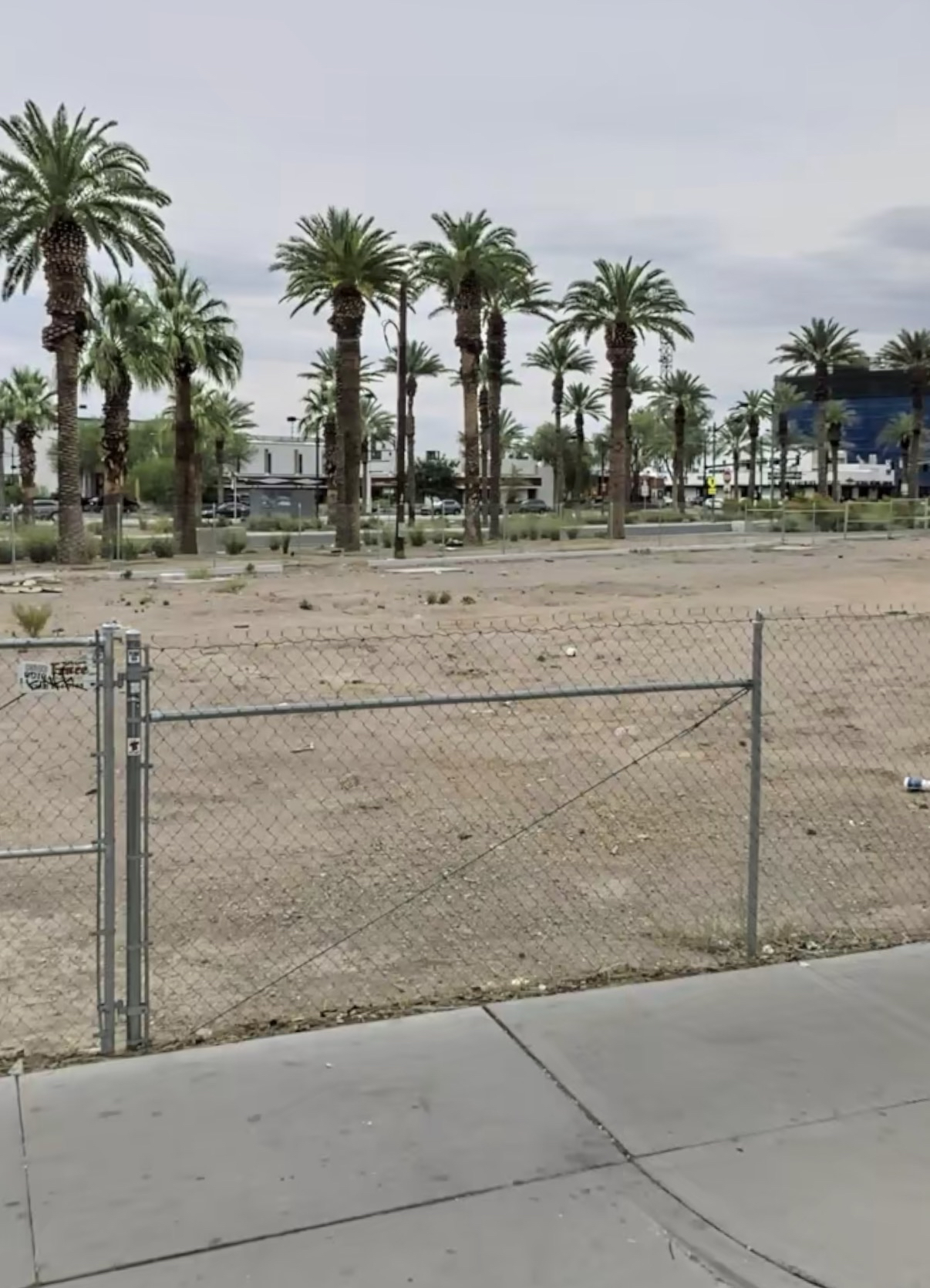
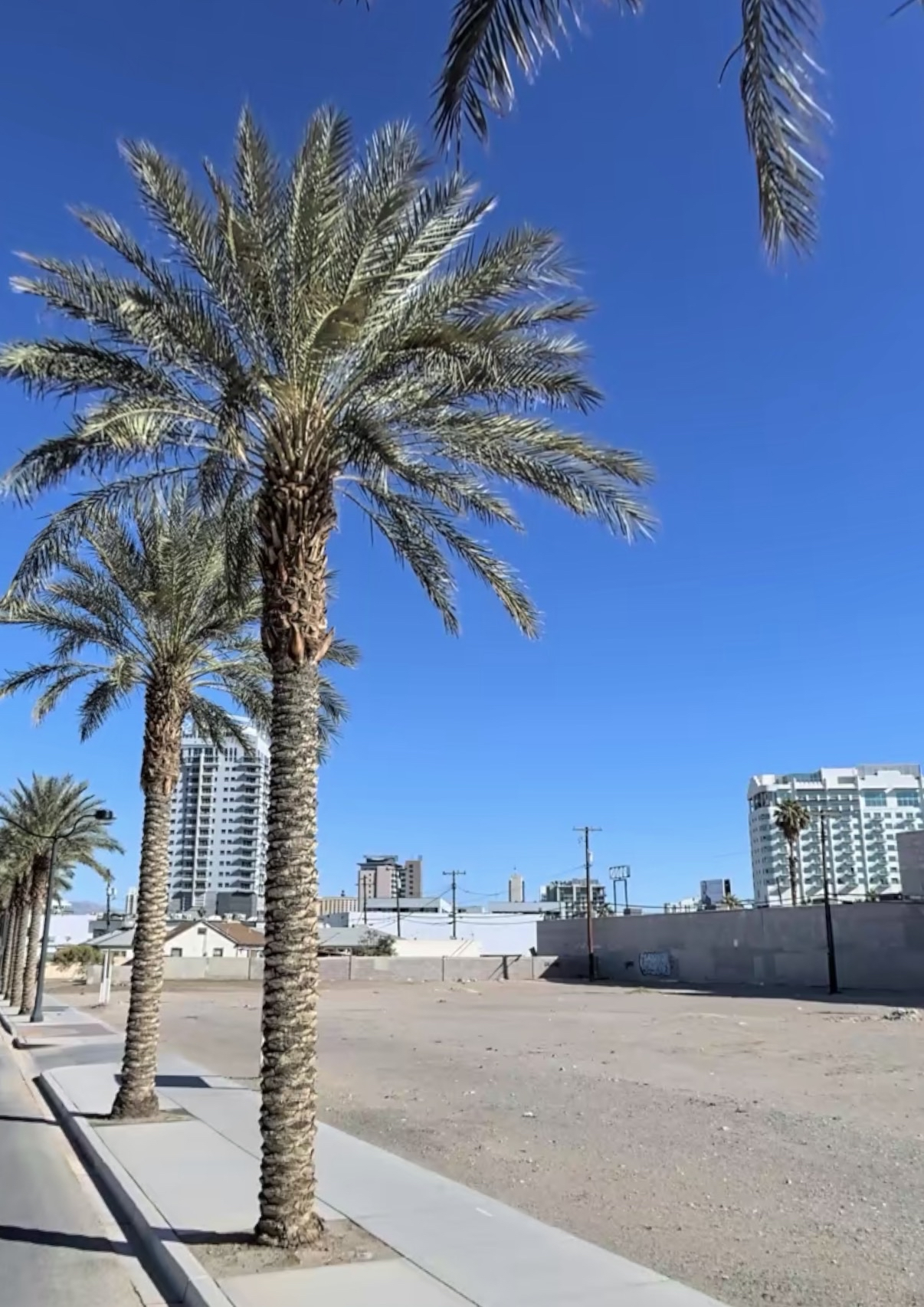
Vacant RTC-controlled land near the Bonneville Transit Center in downtown Las Vegas
Gateway to Fremont blog · May 21, 2026

Why Are RTC and City Leaders Thinking So Small About Downtown?

Downtown Las Vegas should be growing faster, building taller, and thinking bigger.

Instead, one of the most important publicly controlled sites in the urban core is still being treated with a level of caution that does not match the opportunity in front of us.

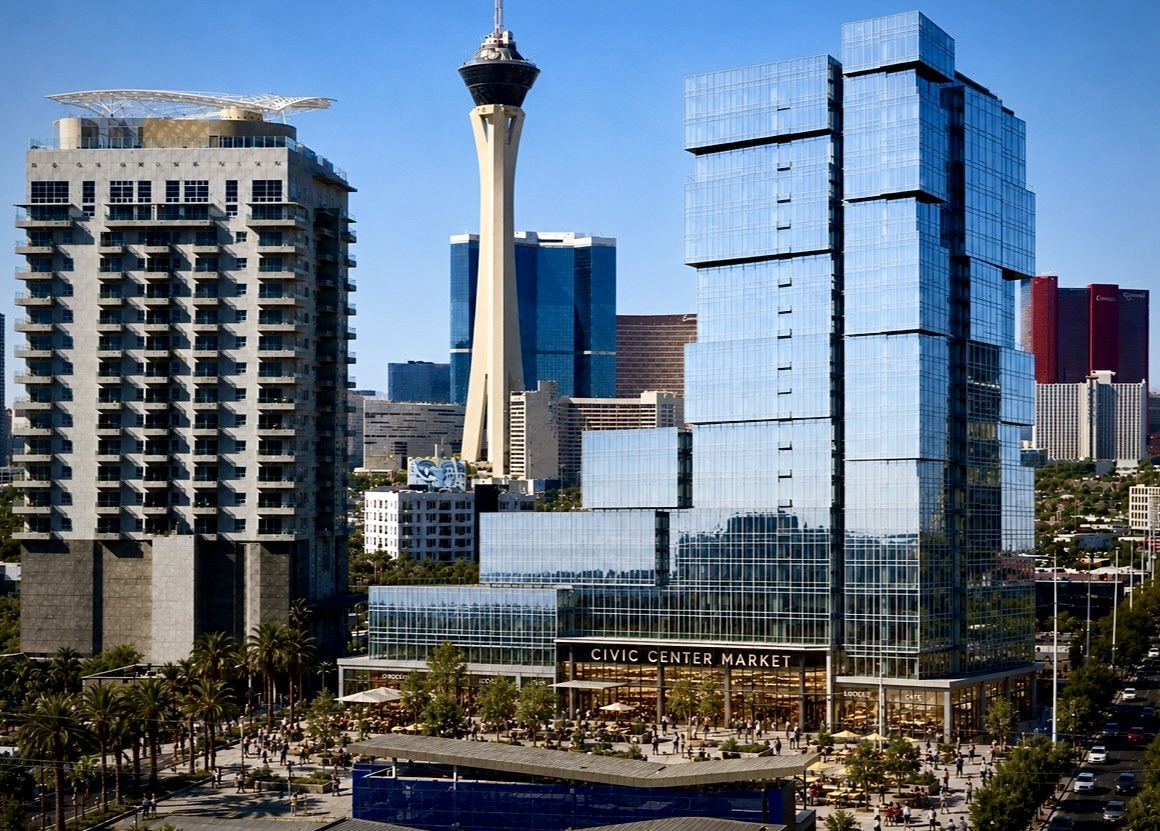
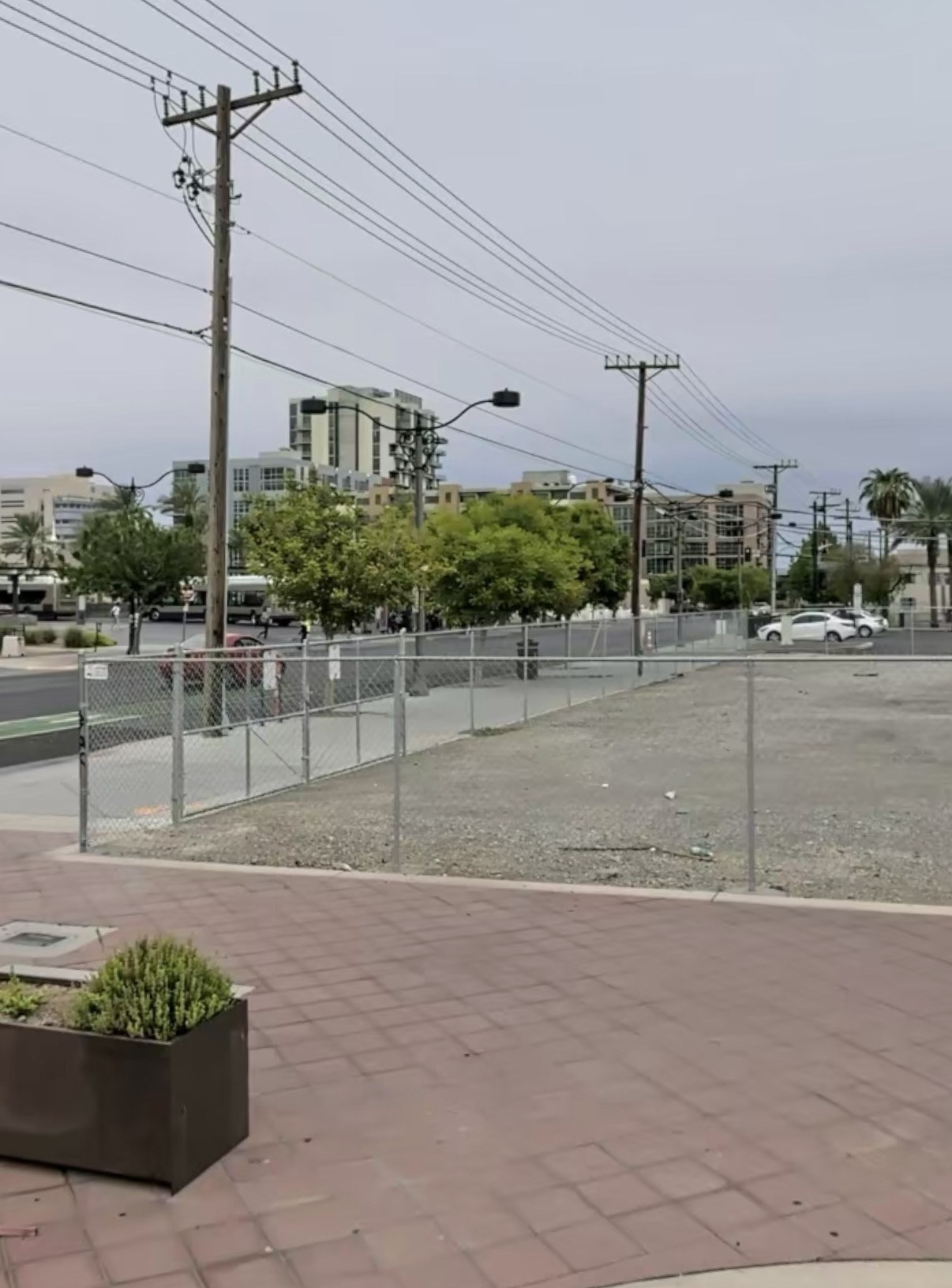
Right next to the Bonneville Transit Center, the RTC controls a giant vacant lot in one of the most strategic places in downtown Las Vegas. This is not some leftover parcel on the edge of downtown. This is on Casino Center, just a couple blocks from the brand new Civic Center, and it has been sitting empty for roughly 12 or 13 years.

That should not be normal.

When public agencies control land in the heart of downtown, the goal should not be to let it sit idle while officials talk vaguely about long-term possibilities. The goal should be to unlock it now in a way that strengthens the city for decades to come.

We have suggested something very simple and very ambitious: partner or sell the site for a beautiful high-rise development with a mix of housing types, affordable units, market-rate units, active ground-floor uses, a real neighborhood market, and even a small public park or plaza at the base. Build something people can actually live in. Build something that helps create a real skyline. Build something that tells the world downtown Las Vegas is serious about becoming a true urban center.

Because right now, the response feels far too timid.

You cannot keep saying housing matters while prime land next to a major transit center sits empty. You cannot keep talking about the future of downtown while some of the best sites in the city remain frozen in place. And you cannot expect downtown to become vibrant, walkable, and fully lived in if every major opportunity gets reduced to low-rise caution and bureaucratic drift.

Downtown Las Vegas does not need more waiting.

It needs more residents.
It needs more grocery options.
It needs more public space.
It needs more mixed-income housing.
It needs more neighborhood-serving retail.
And yes, it needs more height.

We are not going to house enough people with a low-rise and mid-rise mentality. We are not going to create a special skyline by playing it safe on every major site. We are not going to transform downtown by acting afraid of density in the one part of Las Vegas where density makes the most sense.

This is exactly why the zoning conversation matters too. Outside of historic residential neighborhoods like Beverly Green and John S. Park, downtown should be opened up dramatically. The city should be encouraging tall buildings, mixed-use development, and bold architecture, not boxing the urban core into a patchwork of restrictions that stifle investment and drag projects down before they ever begin.

The lot next to the Bonneville Transit Center should be a symbol of what downtown can become.

Instead, it is becoming a symbol of how small too many leaders are still thinking.

That is the real problem.

The RTC controls land that could help reshape downtown Las Vegas. City leaders are just a couple blocks away at the new Civic Center. Everyone talks about vision, growth, housing, and the future. But when it comes time to act boldly on one of the most obvious development sites in the city, the ambition suddenly disappears.

Downtown deserves better than that.

It deserves leaders who understand that prime land next to transit should not sit empty for over a decade.

It deserves leaders who understand that publicly controlled land should be leveraged for public good.

It deserves leaders who understand that height, housing, markets, plazas, and skyline-building architecture are not threats. They are exactly what a growing downtown needs.

The question now is whether current leadership is capable of thinking at that level.

Because if they are not, then maybe it is time for new leadership that actually believes downtown Las Vegas should grow like a world-class urban core.

The Low Line Gateway to Fremont
Downtown Las Vegas deserves a plan that builds up, not holds back
Gateway to Fremont blog · May 14, 2026

Why The Vision 2045 Plan Is Stifling Downtown Development

Downtown Las Vegas should be building up.

Instead, too much of it is being held back by a planning department that should be planning for the real future, not protecting a framework disconnected from the economic reality on the ground. This vision is stifling growth.

The heart of downtown Las Vegas is roughly five square miles, stretching from Sahara Avenue north to just past Fremont Street. Within that area, there is a mix of commercial land, residential parcels, historic neighborhoods, civic uses, and opportunity sites that should be attracting major investment. Some neighborhoods, like Beverly Green and John S. Park, absolutely deserve protection. Those are historic residential areas, and height limits there make sense.

But outside of those neighborhoods, downtown should be allowed to grow up.

The rest of the urban core should not be trapped under outdated limits that make serious projects harder, riskier, and in many cases financially impossible. If Las Vegas truly wants a stronger downtown, the goal should be more density, more housing, more hotel rooms, more condos, more apartments, more offices, more marketplaces, more structured parking, and more ambitious mixed-use development. Many, many, many more high-rises. Maybe even Downtown’s first mega high-rise.

And yes, more civic investment too.

Downtown Las Vegas does not even have a library. Think about that. The city’s urban core, the historic heart of Las Vegas, still lacks something as basic and civic-minded as a real downtown library. That alone says a lot about how underbuilt and under-prioritized this area still is. A real downtown should be adding libraries, public spaces, housing, culture, and daily-use amenities right alongside private development.

In other words, more city.

Instead, the current Vision 2045 Plan often creates a patchwork where one block can support a high-rise and the next block cannot. One parcel may be positioned for urban intensity while the parcel right next to it is effectively frozen. That kind of inconsistency does not create momentum. It stifles it.

And the stakes are not small.
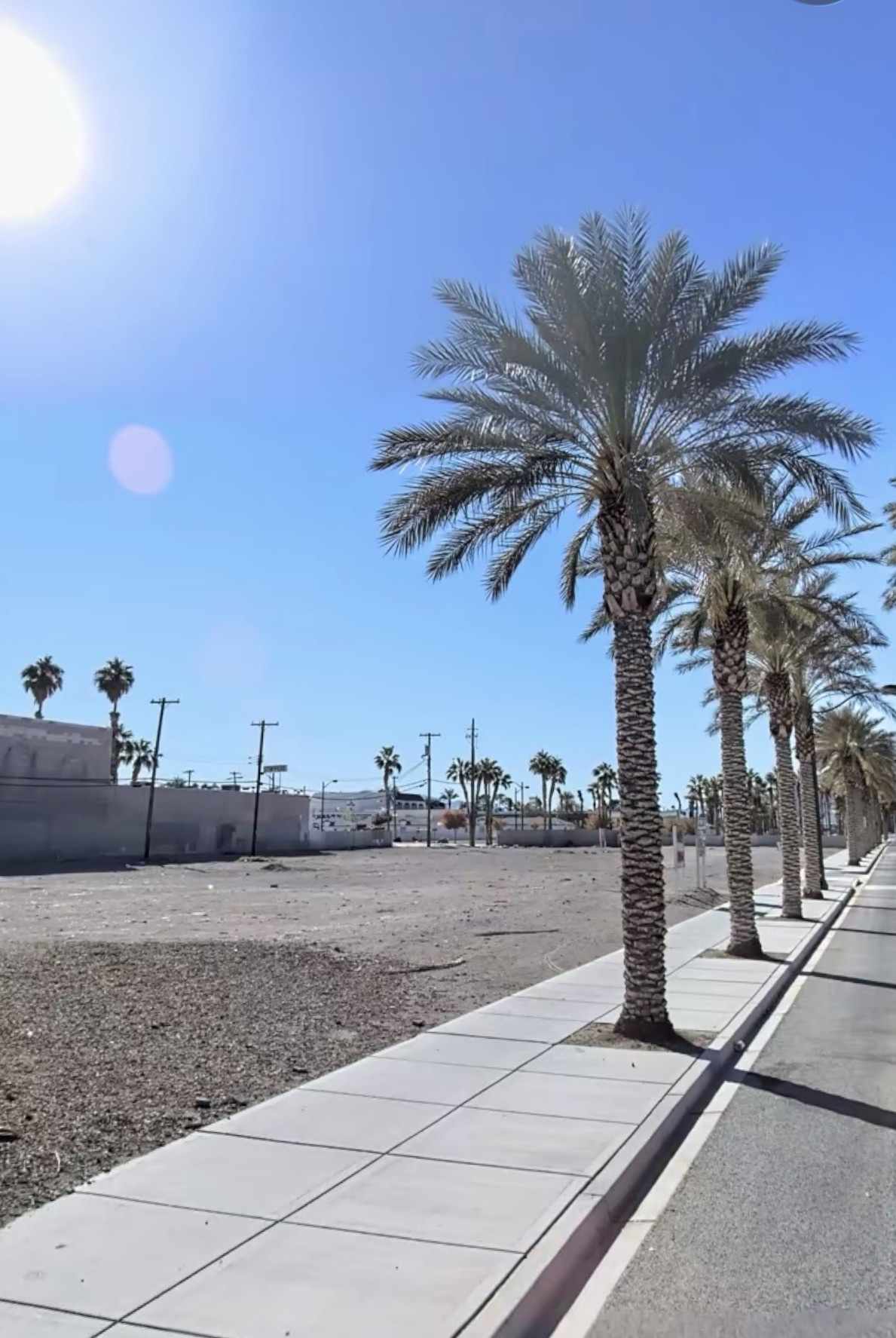
In parts of downtown, land prices are already reaching levels that demand height and density in order for deals to pencil out. When a 0.5-acre block is approaching $5 million to $10 million, developers cannot be expected to build low-rise projects and somehow make the numbers work. That is not how urban economics function. As land gets more expensive, buildings must get taller and denser in order to spread that cost across more units, more rooms, more retail, or more usable square footage.

If that flexibility is not there, the land sits.

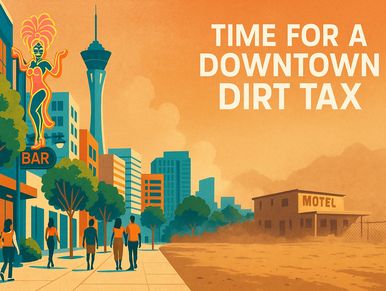
And that is exactly what downtown Las Vegas has seen for decades. Dirt lots. Underbuilt parcels. Stagnant corners. Prime land sitting idle because the rules no longer match the market.

Honestly, there should be little to no height restrictions Downtown. It's miles from the airport, and planes turn and fly over the tallest buildings on the Strip. So don't give us that airport overlay BS.

One of the clearest examples is the proposed Low Line corridor. If Las Vegas is serious about transforming that area with a world-class park and reconnecting downtown, then the land around it should be planned with ambition. The parcels next to the Low Line should not be stuck in low-value uses that waste their potential. They should be positioned for dense mixed-use development, residential towers, hotels, public amenities, and civic destinations that take full advantage of that proposed investment.
That is what smart urban planning should do. It should unlock value, not suppress it.

And that is the bigger issue here. Too often, city planning seems to ignore a basic truth: when land values rise, height is not a luxury. It is a necessity. Without it, you do not get great projects. You get delay, hesitation, and another decade of empty land.

If the Low Line is ever built, the sky should be the limit around it. That is where Las Vegas should be encouraging its boldest urban vision, not restricting it.

The question for Las Vegas is simple.

Are we trying to build a world-class downtown, or are we content with a downtown full of dirt lots, underbuilt parcels, and missed opportunity?

Because right now, too much of the Vision 2045 Plan feels like it is protecting the latter.

(An earlier version of this blog referred to this as the 100-Year Plan. We apologize for any confusion. Our main goal is simple: build downtown up and help Las Vegas create the world-class downtown it deserves.)

Support The Low Line. Win epic gear. Petition prize drawing.
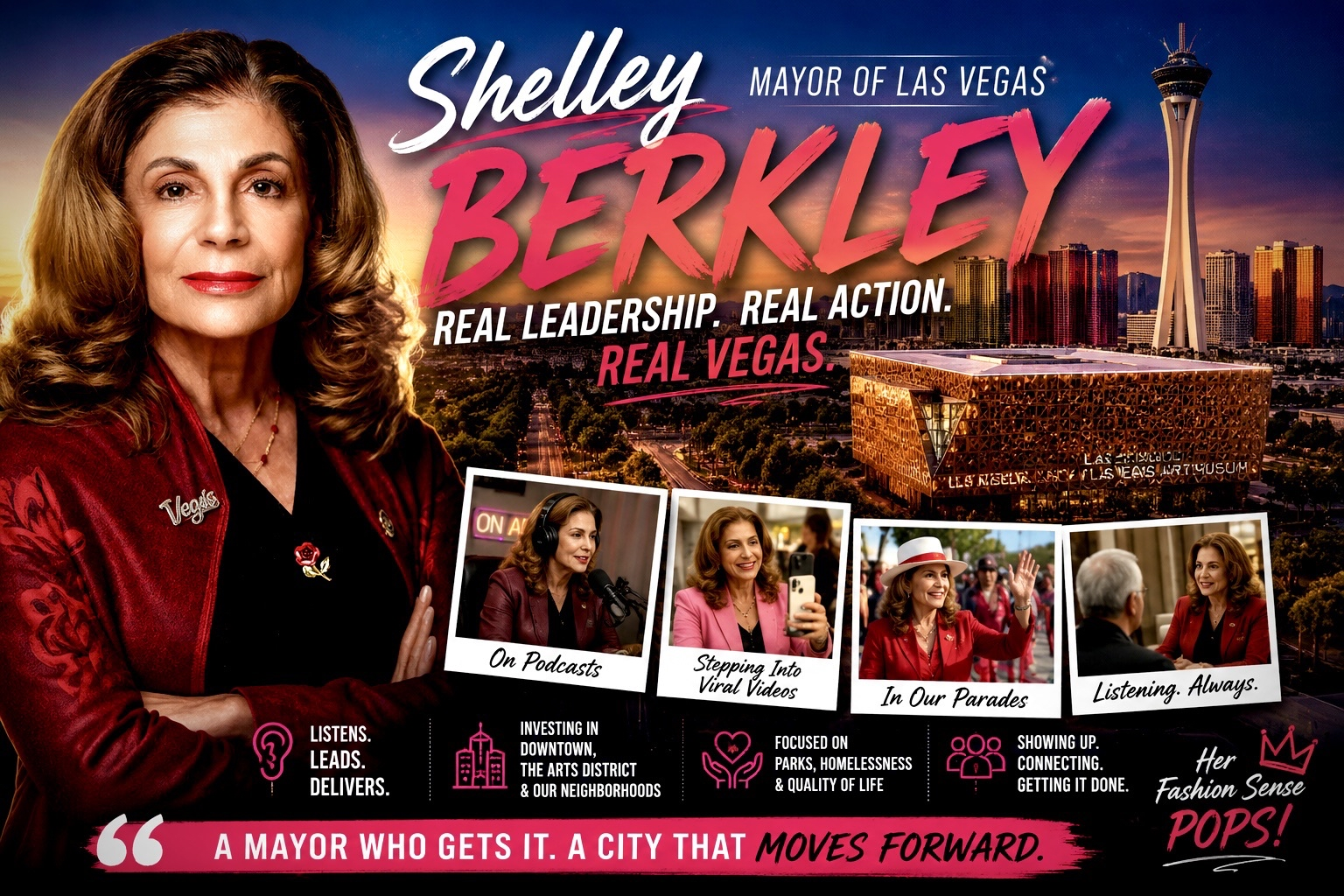
Shelley Berkley, Mayor of Las Vegas, Real Leadership Real Action Real Vegas
Gateway to Fremont blog

Shelley Berkley, the Most Hip Mayor of Las Vegas

Shelley Berkley is awesome.

In a city built on personality, energy, and bold ideas, it is refreshing to have a mayor who feels plugged into the real pulse of Las Vegas.

And let’s be honest, she gets it. She understands that the City of Las Vegas does not end at the Strip. It starts at Sahara and goes north. She puts real time, real attention, and real pride into the actual city, especially downtown, the Arts District, and the neighborhoods that give Las Vegas its soul.

We have seen that firsthand, even in spirited back-and-forth emails with our founder about density, parks, growth, and the future of the urban core. That is part of what makes her stand out. She is not hiding behind canned statements or empty slogans. She is willing to have the conversation. She is willing to mix it up. And in Las Vegas, that kind of accessibility matters.

It is also not just Mayor Berkley. Her whole team deserves credit. Mike Janssen, Maggie at Parks, the council, and others around her clearly care about where this city is headed. There is a sense that they are paying attention, that they are in the arena, and that they want to move Las Vegas forward.

You see Mayor Berkley everywhere that matters. She is talking about parks, working on homelessness, listening to residents, showing up to parades, stepping into viral videos, hopping on podcasts, and meeting people where they are. One minute she is handling serious city business, the next she is showing personality and clearly having fun being part of the culture of the city. That balance is rare, and honestly, it feels very Vegas.

She does not come across like some distant politician cut off from the public. She feels like someone who understands the rhythm of the city, the energy of the streets, and the importance of showing up. She listens, she leads, and she does it with style.

And yes, her fashion sense pops too.

That kind of presence matters. In a city that runs on image, hustle, reinvention, and heart, Shelley Berkley feels like a mayor who fits the moment. For those of us who love the real city, that does not go unnoticed.

We love you, Mayor.